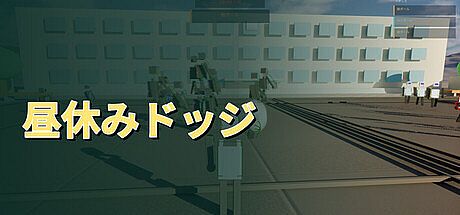



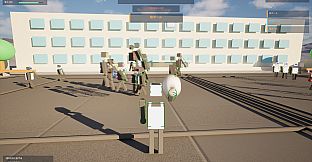
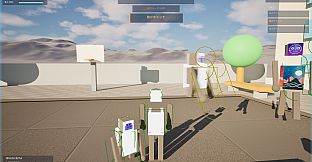
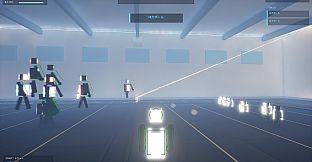
Lunch Break Dodgeball propose une expérience de balle au prisonnier centrée sur la physique, disponible sur PC. Le jeu met l'accent sur des lancers imprévisibles, des attrapages, des collisions et des affrontements d'équipe. Ce titre indépendant transforme les règles simples de la cour d'école en rencontres chaotiques où l'élan et le timing déterminent chaque résultat. Les joueurs participent à des parties qui évoquent de longues récréations, rythmées par des déplacements frénétiques et des décisions instantanées.
Gameplay
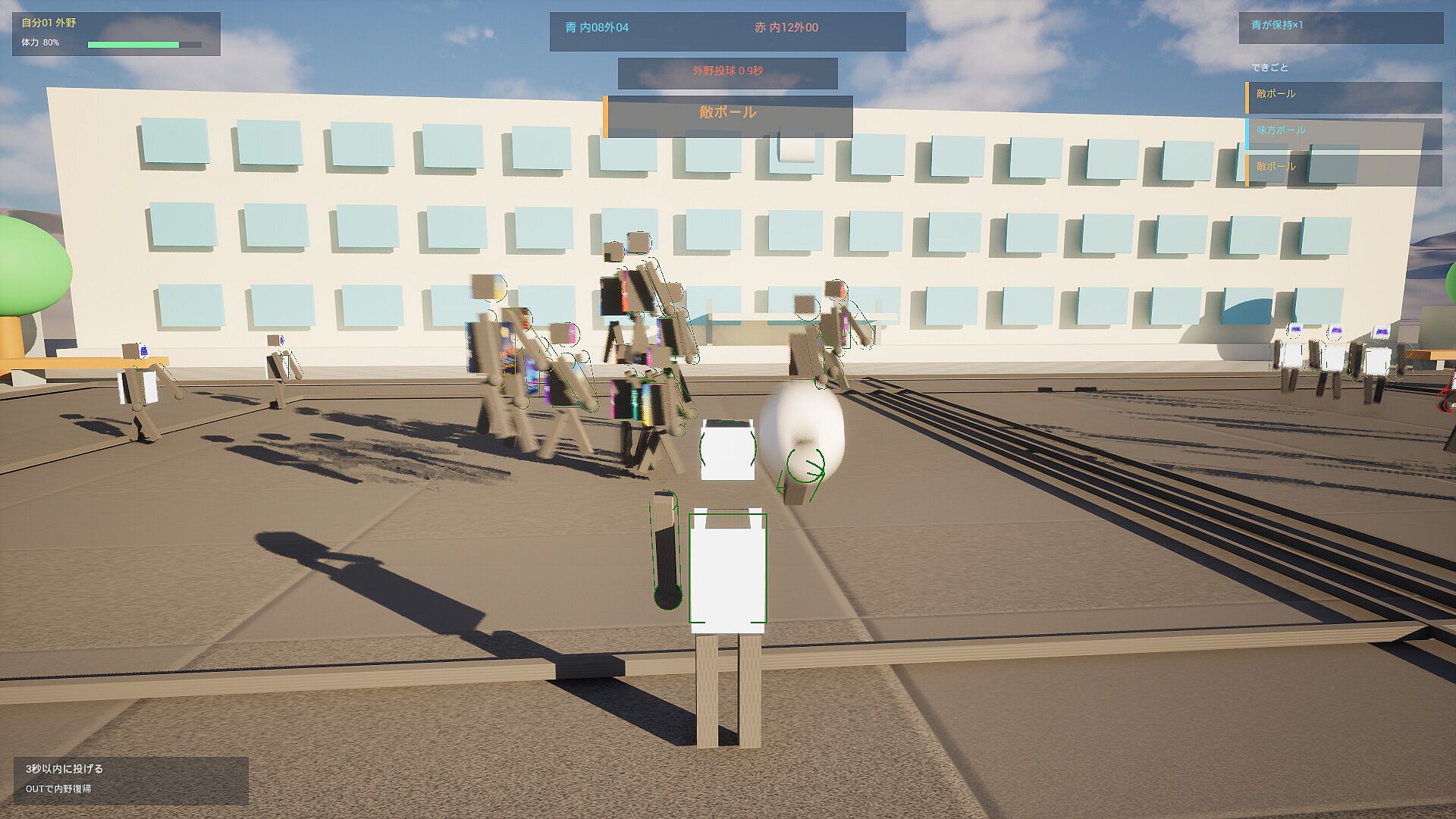
Le cœur du jeu repose sur des interactions physiques qui rendent chaque lancer et chaque réception unique. Les balles réagissent de façon réaliste à la vitesse et à l'angle, ce qui génère des rebonds sur les murs ou des déviations inattendues lors des mêlées. Attraper une balle demande un timing précis, car les projectiles arrivent avec une vitesse et un effet variables. Les collisions entre joueurs ou objets ajoutent une couche de chaos supplémentaire, les corps et les balles interagissant dans le même espace.
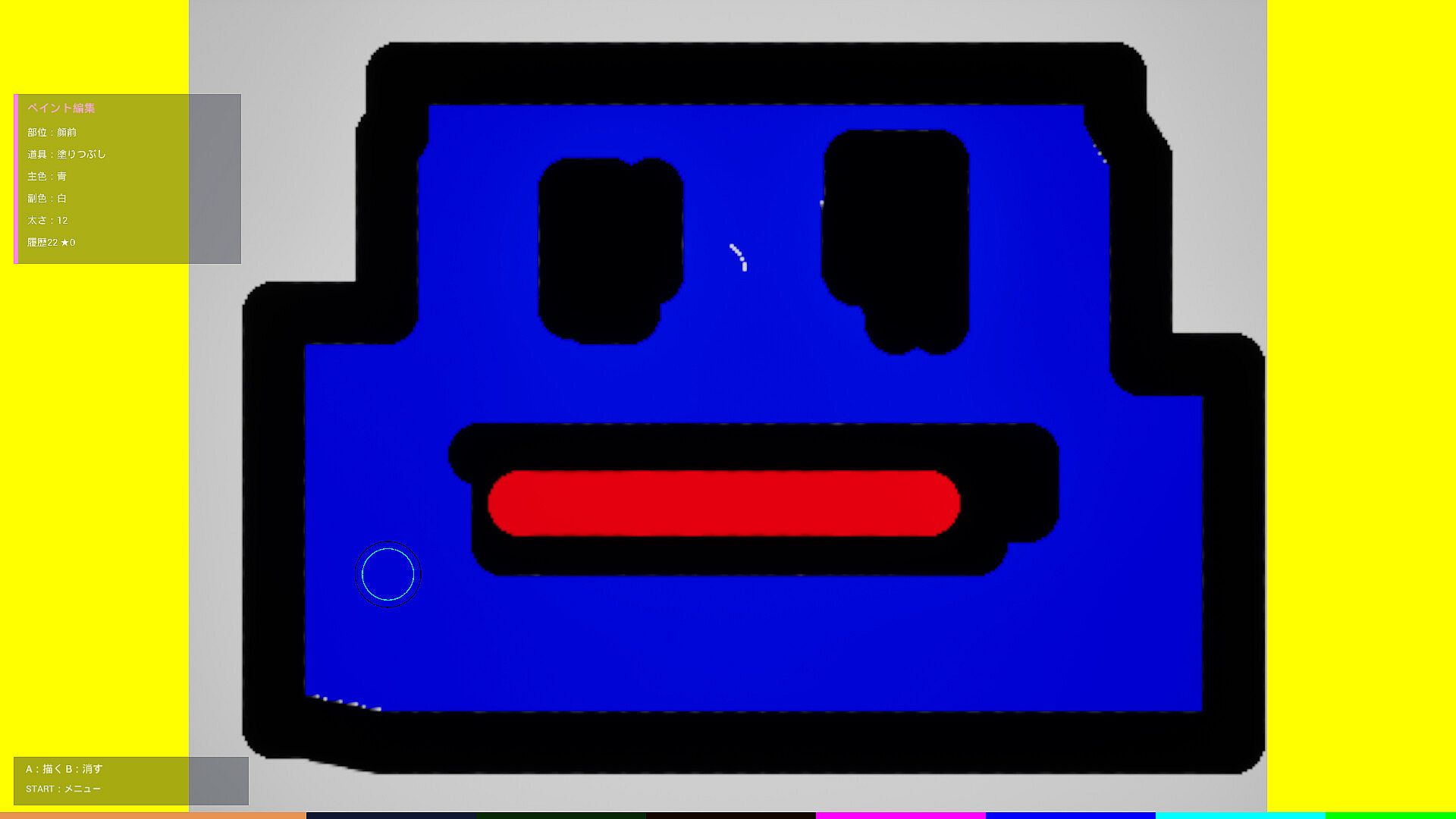
Les déplacements des personnages privilégient les esquives rapides et le positionnement plutôt que des commandes complexes. Les équipes coordonnent leurs actions pour déborder les adversaires tout en gérant un nombre limité de balles sur le terrain. La simulation physique encourage l'expérimentation de différentes techniques de lancer et de postures défensives. Des outils de personnalisation permettent de modifier l'apparence des personnages sans toucher aux mécaniques principales, offrant une identité visuelle en match.
Game Modes
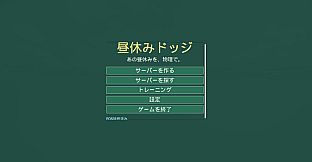
Le mode en ligne accepte entre deux et vingt-quatre participants. Les hôtes créent des salons publics ouverts à tous ou des sessions protégées par mot de passe pour des groupes contrôlés. Les invitations entre amis s'effectuent via des systèmes intégrés, facilitant la constitution rapide des équipes. Les parties se concentrent sur des affrontements d'équipe où l'élimination et la survie désignent les vainqueurs.
Le mode d'entraînement hors ligne propose une session 12 contre 12 pour s'exercer seul. Ce format reprend les mêmes règles physiques dans des parties isolées, sans connexion réseau. Les joueurs peuvent perfectionner leurs lancers, leurs attrapages et leur positionnement face à des adversaires IA avant d'intégrer des matchs en ligne. Ce mode constitue un espace d'apprentissage sans pression, idéal pour découvrir les arènes et le comportement des balles.
Arenas
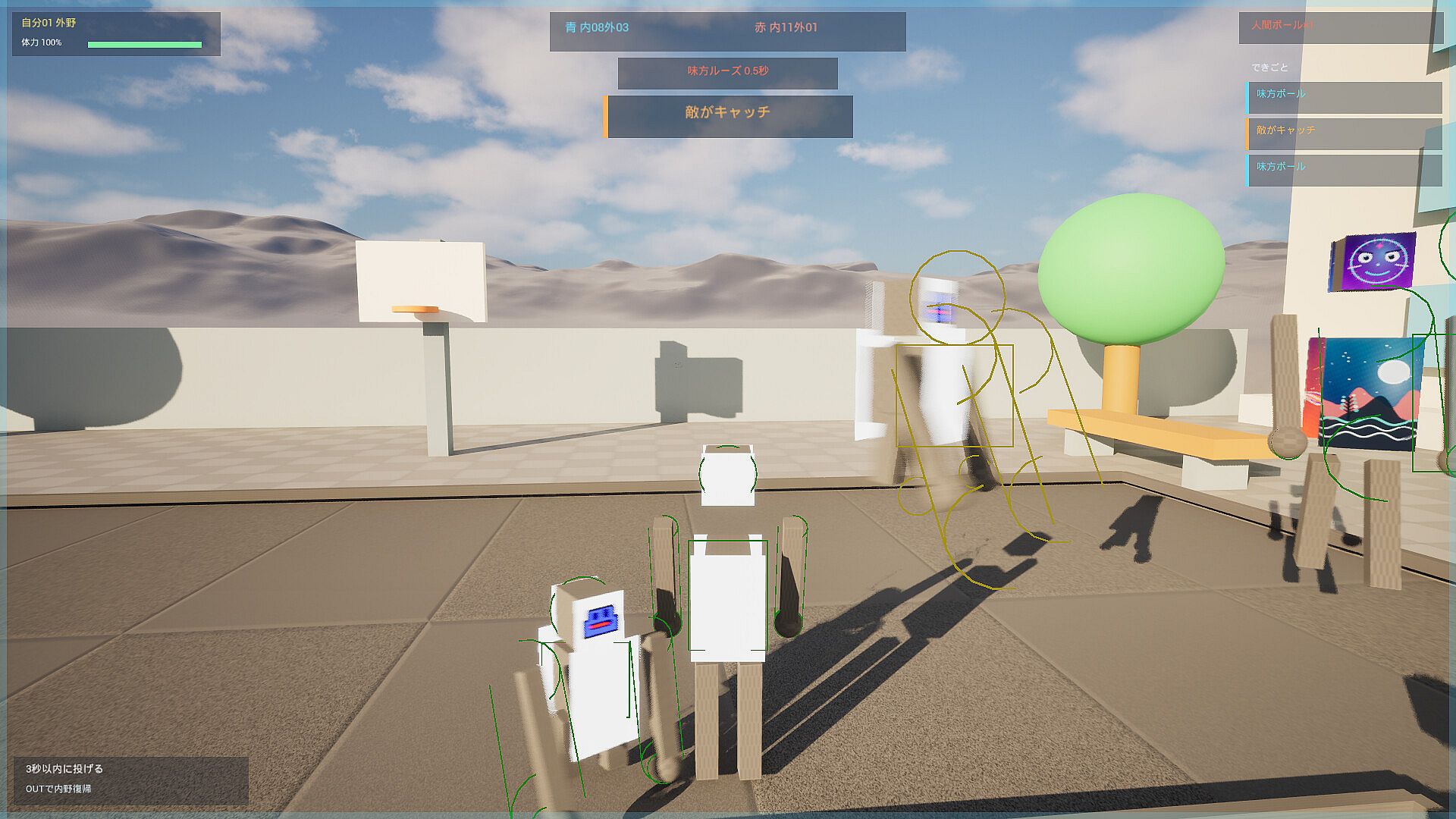
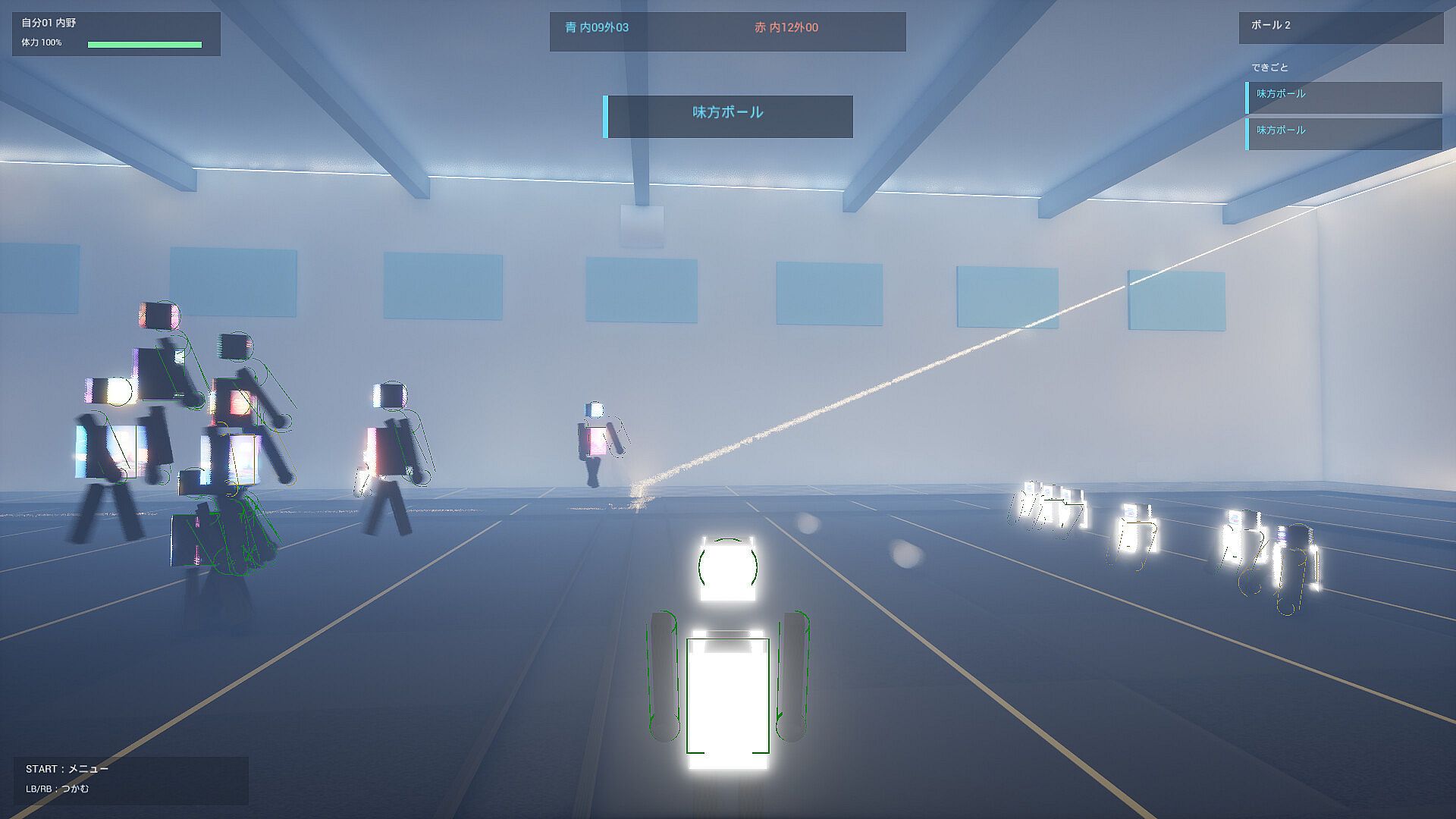
Deux environnements distincts influencent le déroulement des parties. La cour d'école offre des espaces ouverts avec des obstacles naturels qui modifient les trajectoires des balles et les déplacements des joueurs. Le gymnase, plus fermé, multiplie les murs et les surfaces, favorisant des échanges plus serrés et riches en rebonds. Chaque arène modifie la stratégie, car la disposition du terrain change la portée des balles et l'emplacement des zones sûres lors des échanges intenses.
Le passage d'un espace ouvert à un espace confiné oblige les joueurs à s'adapter. Dans la cour, les lancers à longue distance prennent de l'importance, tandis que le gymnase récompense les attrapages rapprochés et les passes rapides. Ces deux cadres maintiennent la variété des sessions, même après plusieurs parties.
Is It Worth Playing?
La combinaison d'une simulation physique et d'options multijoueurs flexibles convient aux joueurs qui apprécient les jeux de sport axés sur la dextérité et l'imprévisibilité. Les salons en ligne accueillent aussi bien des sessions casual que des groupes organisés, tandis que le mode d'entraînement hors ligne assure un entraînement régulier. Les outils de personnalisation ajoutent une touche personnelle sans alourdir le cœur du jeu.
Les amateurs de jeux de sport indépendants trouveront dans les affrontements d'équipe et la gestion réaliste des balles une source d'engagement. Le titre s'adapte aussi bien aux petites parties privées qu'aux grands salons publics, ce qui le rend accessible à différents formats de groupe. Les outils d'entraînement permettent aux nouveaux venus de gagner en confiance avant d'affronter des adversaires en ligne.
Dans l'ensemble, les systèmes décrits dessinent une expérience de balle au prisonnier directe mais riche mécaniquement. Les joueurs en quête d'un jeu de sport multijoueur basé sur la physique, sans système de progression lourd, apprécieront probablement son focus sur les matchs et la personnalisation. Le titre reste adapté aussi bien aux sessions courtes qu'aux parties prolongées en équipe, selon les préférences.