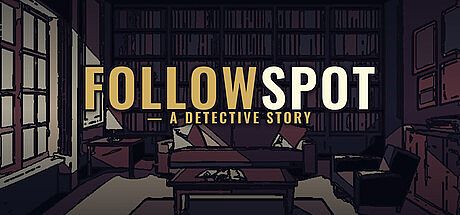


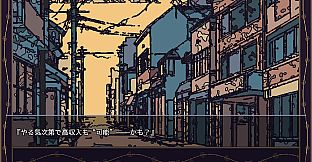
追光探偵物語 FOLLOWSPOT - A Detective Story est une aventure solo centrée sur les mystères du quotidien dans une petite ville japonaise du début des années 2000. Le joueur incarne Saeki, un jeune diplômé qui répond à une annonce peu précise et rejoint l'agence de détectives Followspot. L'histoire se déroule à travers de petites affaires personnelles plutôt que des crimes spectaculaires, en mettant l'accent sur les raisons derrière les événements ordinaires et les émotions discrètes qui les accompagnent.
Gameplay
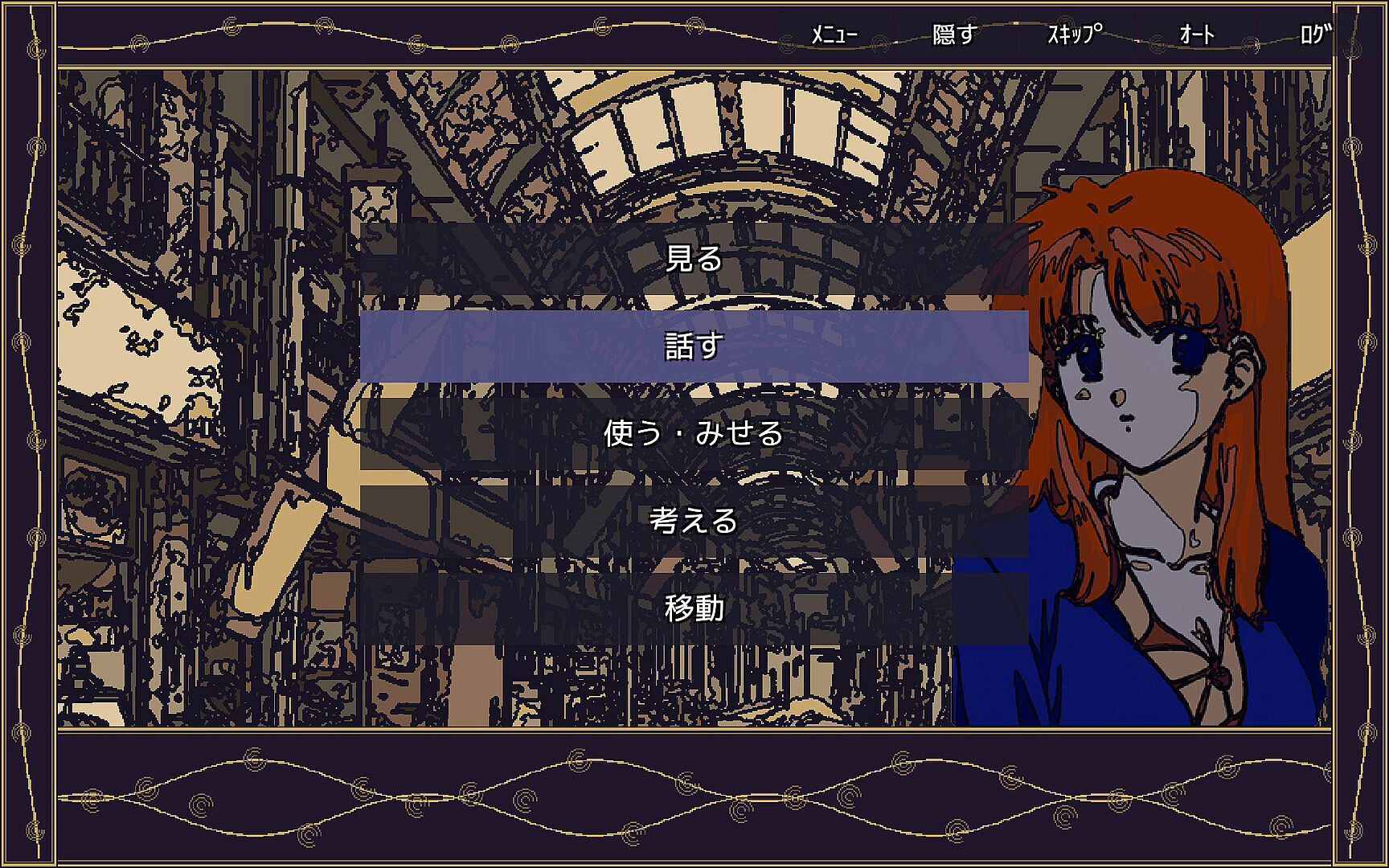
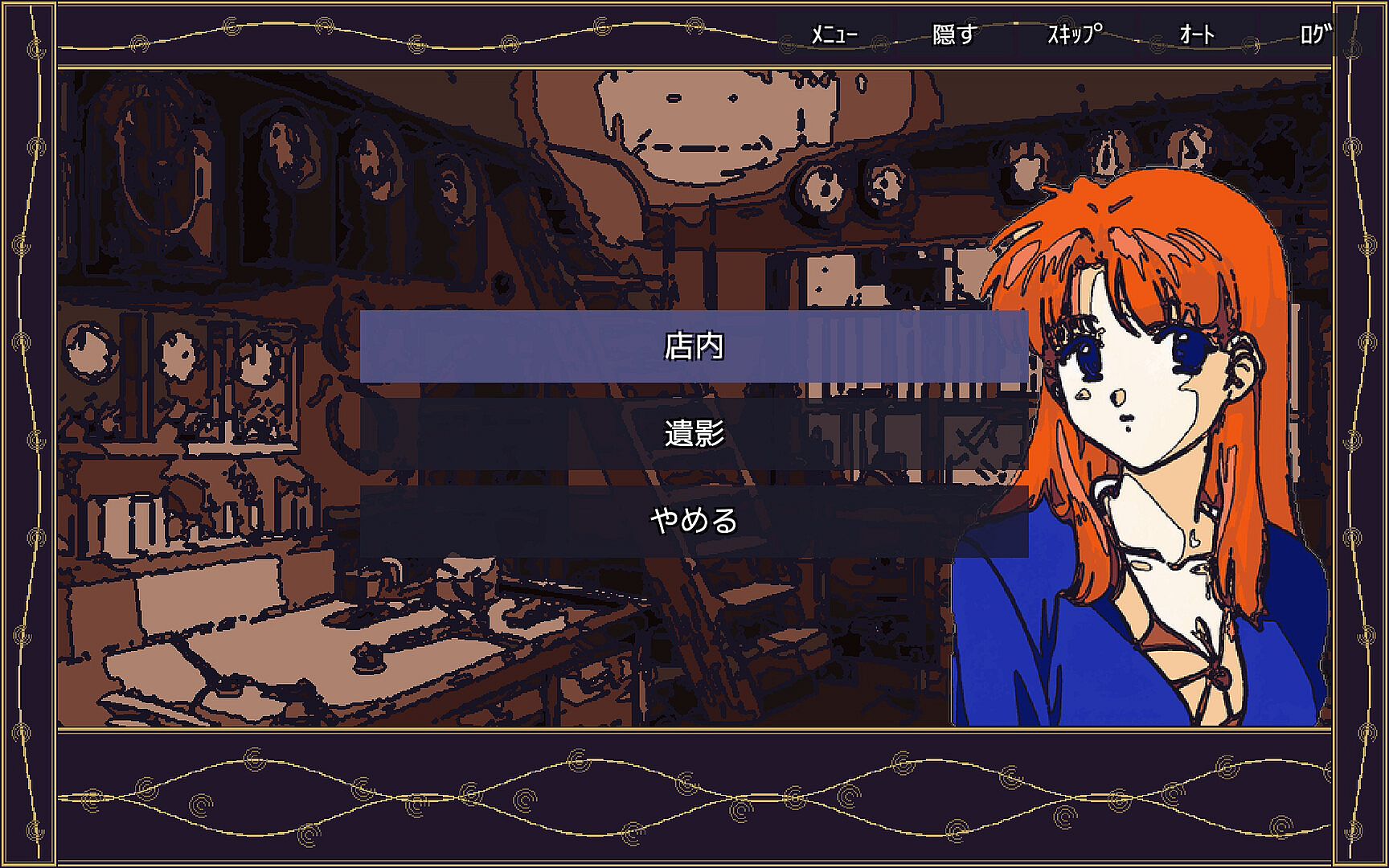
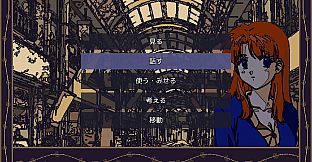
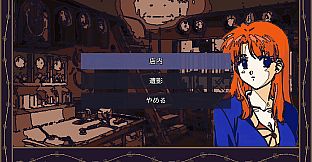
Le cœur du jeu repose sur l'exploration de lieux et les interactions avec les personnages via un système de commandes rétro. Le joueur sélectionne des actions comme Regarder, Parler, Examiner, Utiliser-Montrer, Réfléchir ou Se déplacer pour recueillir des indices dans les rues, les salles d'arcade, les cafés ou les ruelles. Une commande Déduire permet de nommer le responsable et de révéler la vérité une fois suffisamment d'éléments rassemblés. L'avancée de l'histoire se fait par des choix de dialogue et des observations qui mettent en lumière le quotidien des habitants, entre légèreté et moments de réflexion.
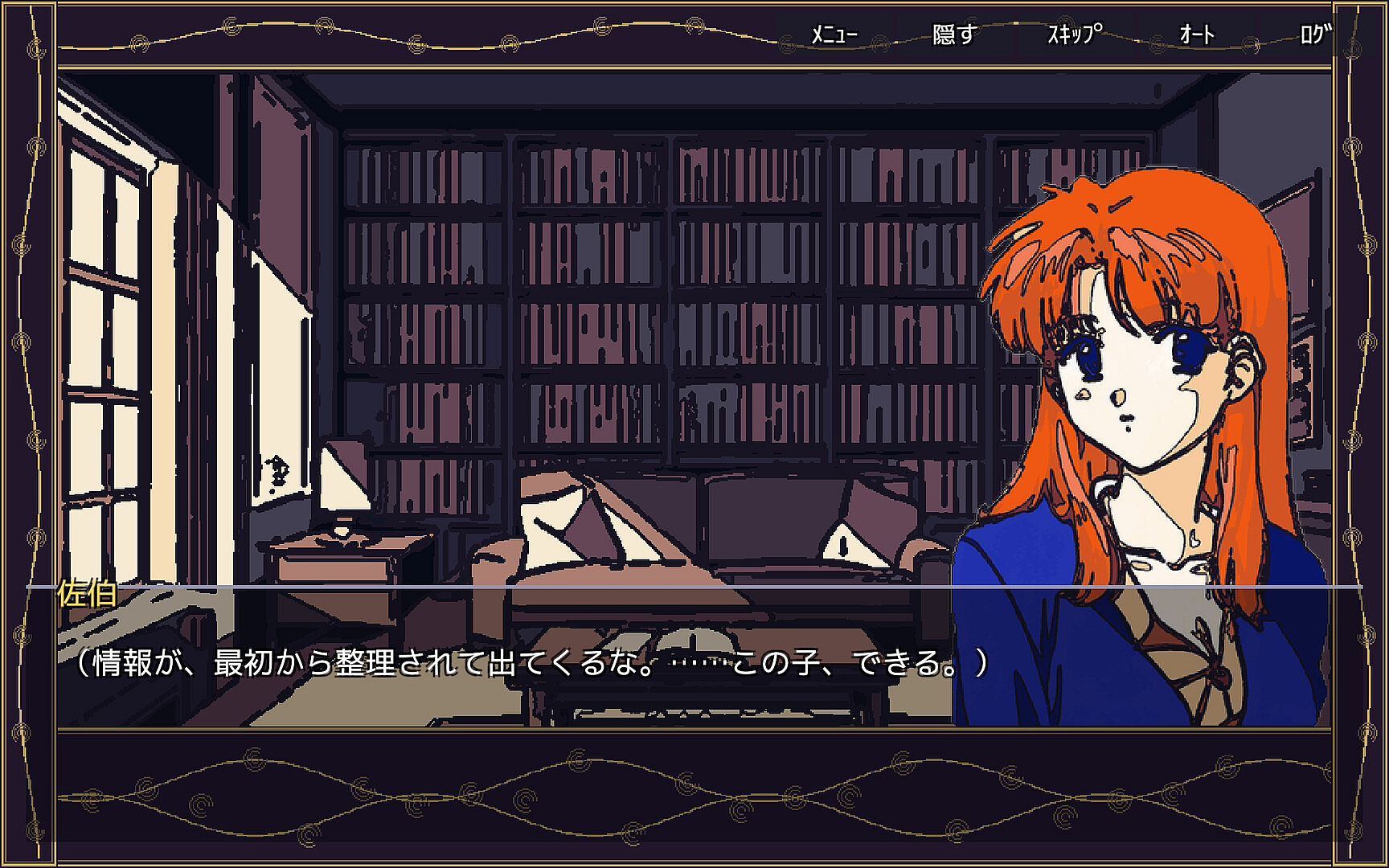
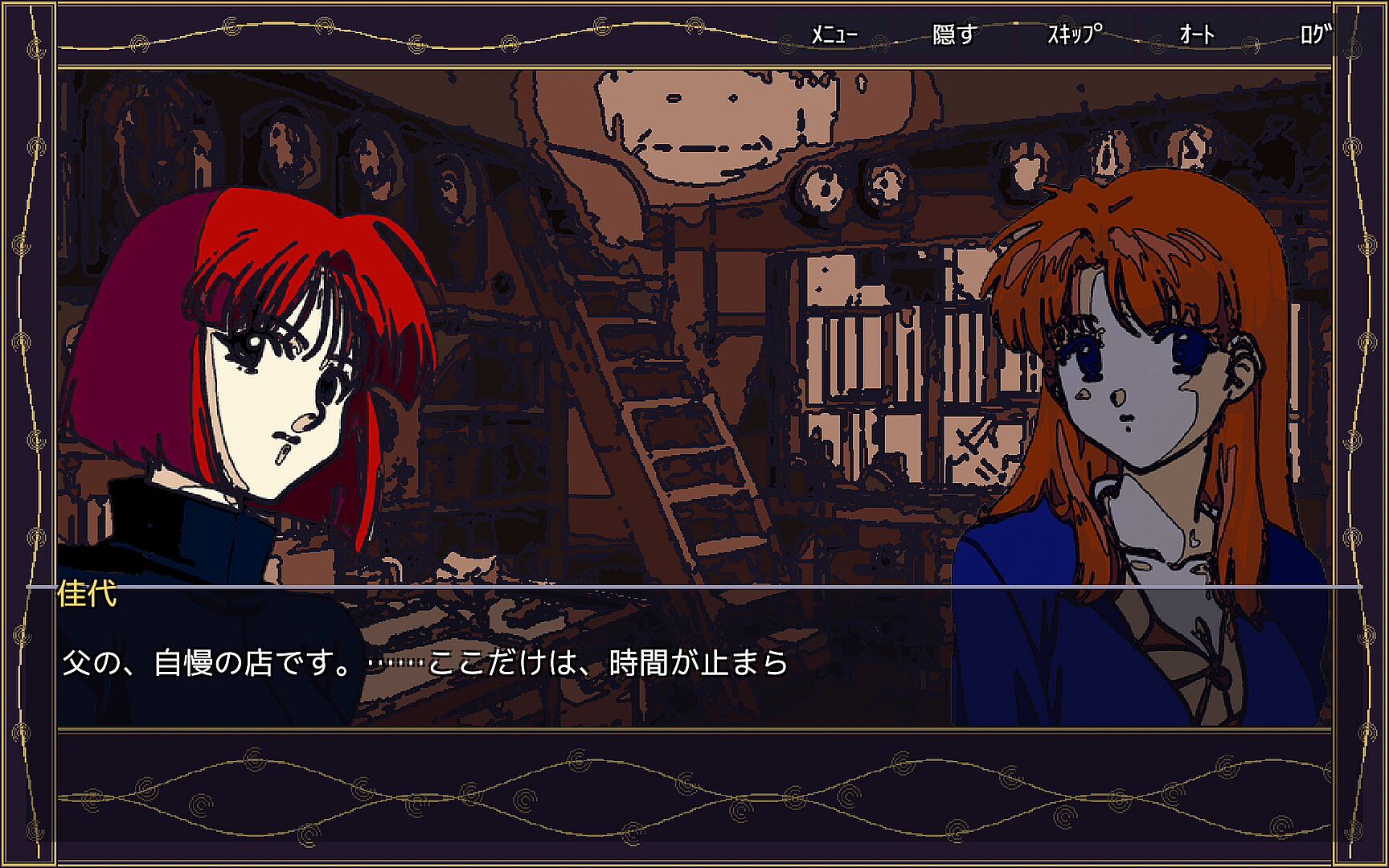
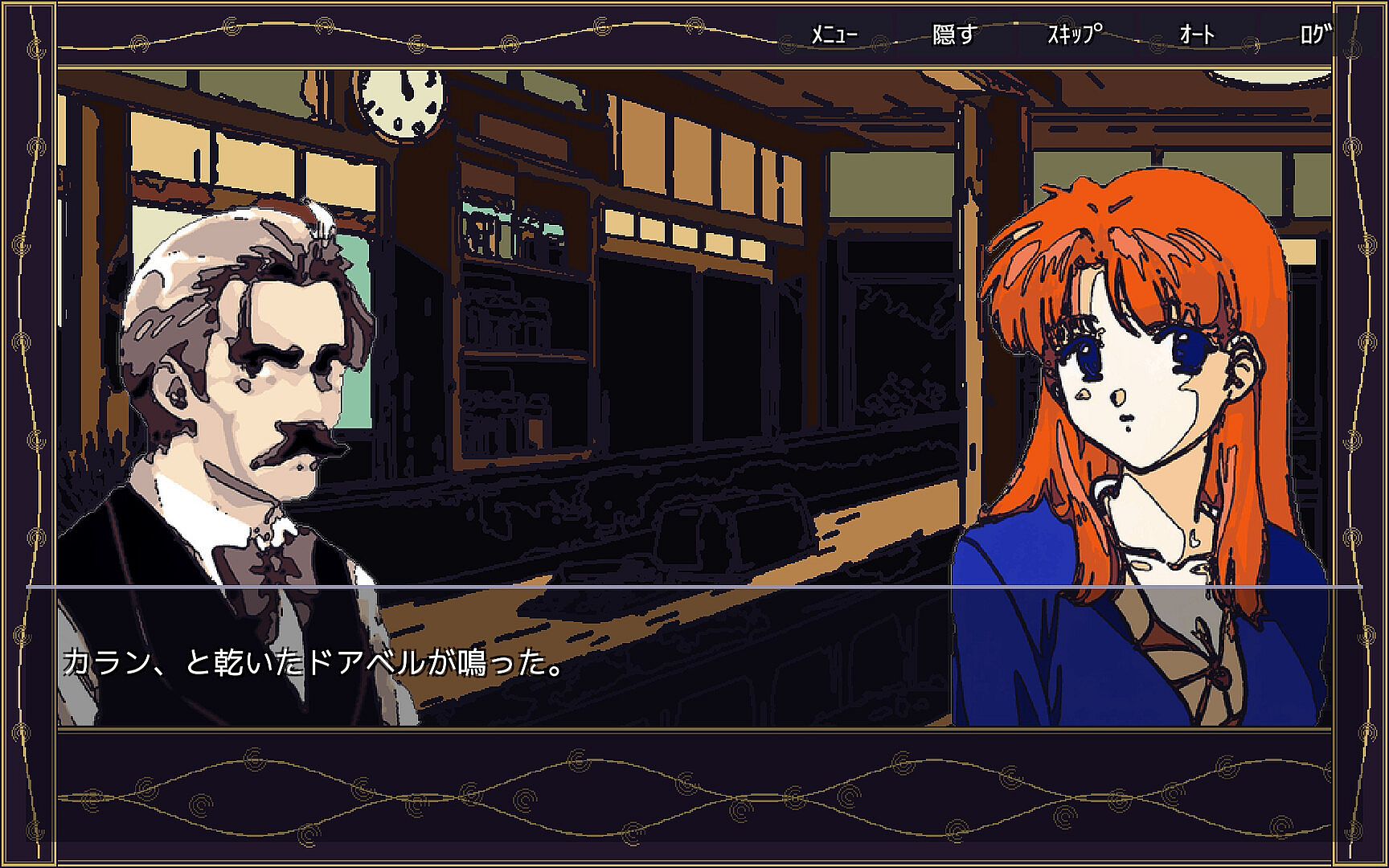
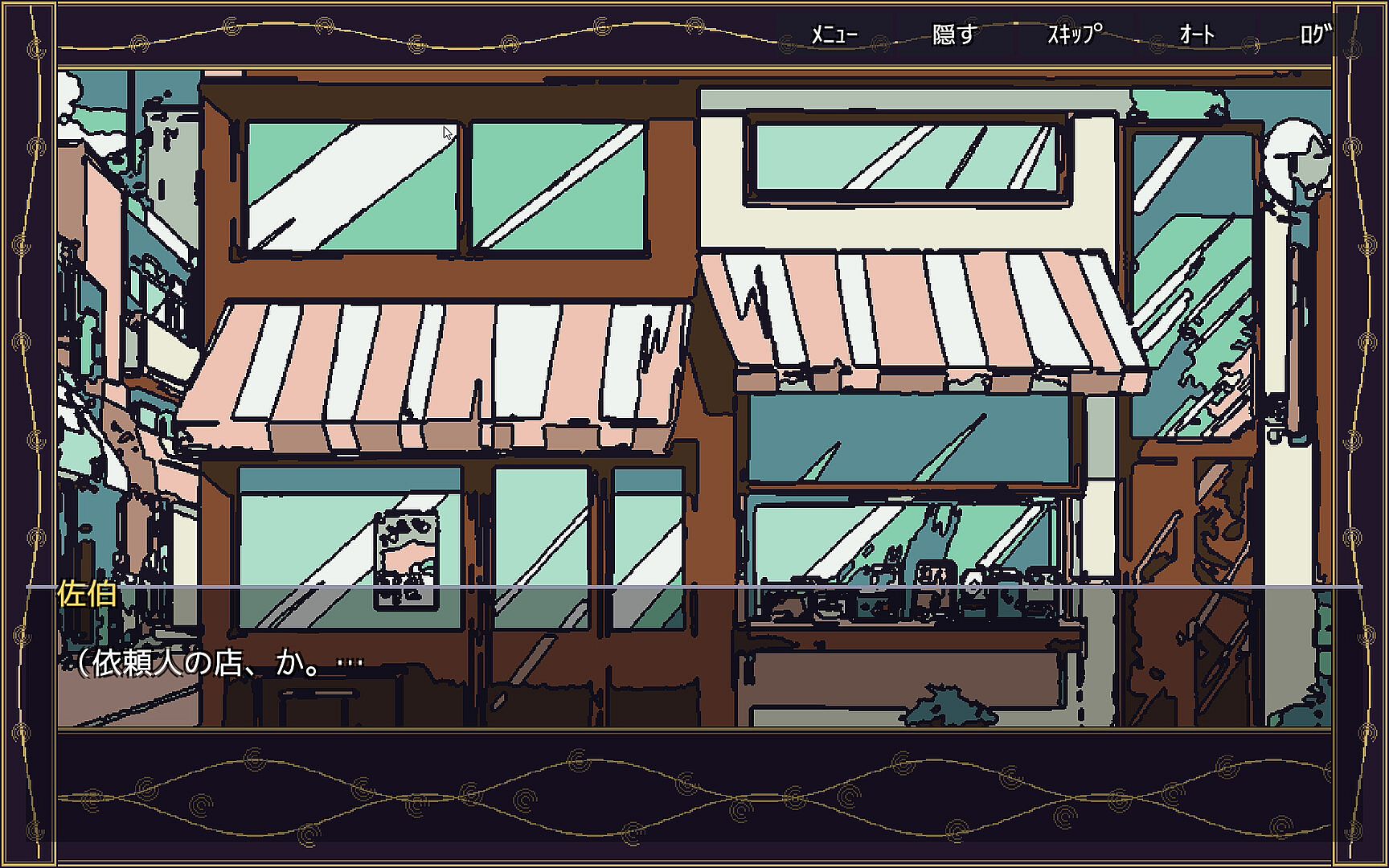
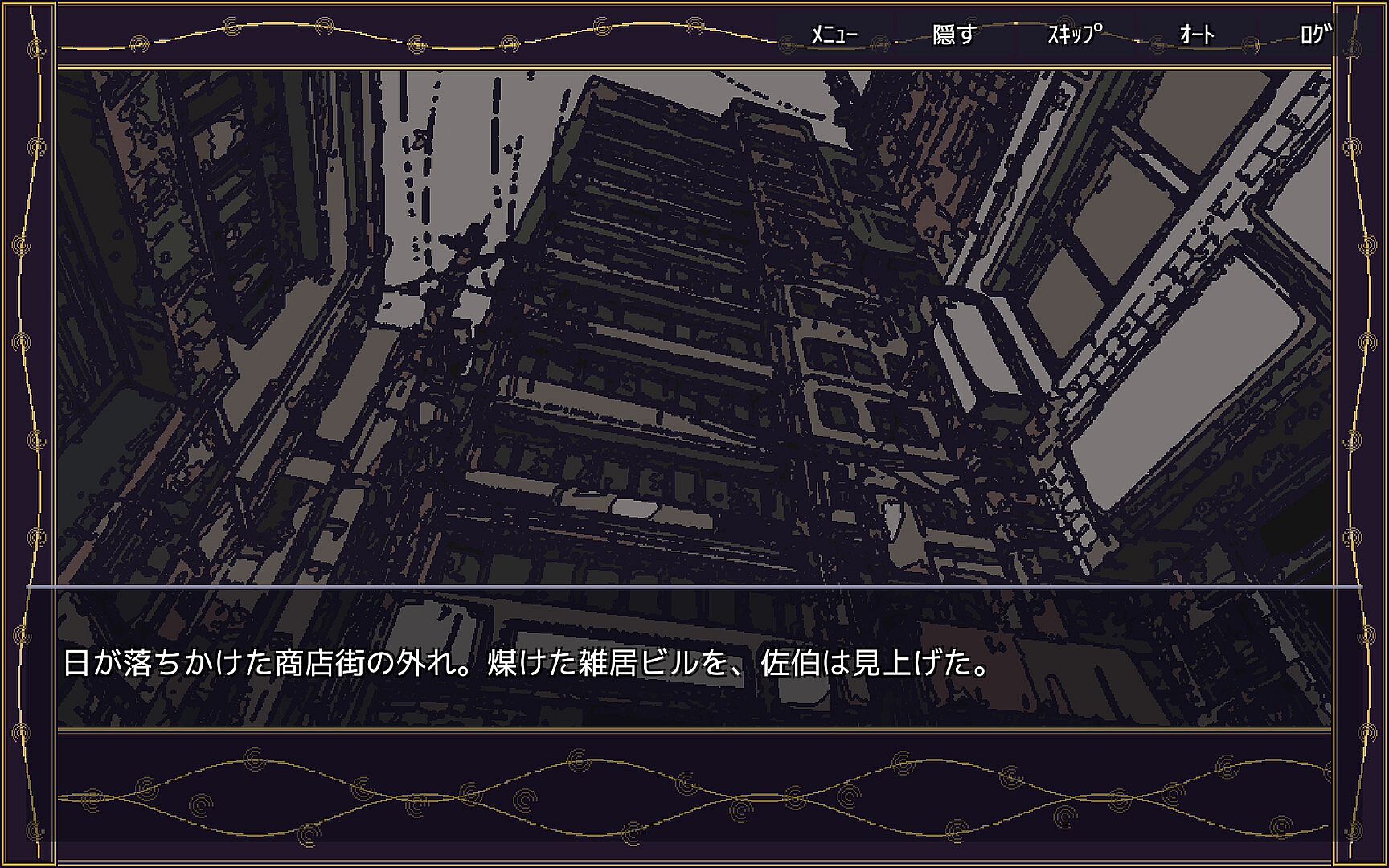
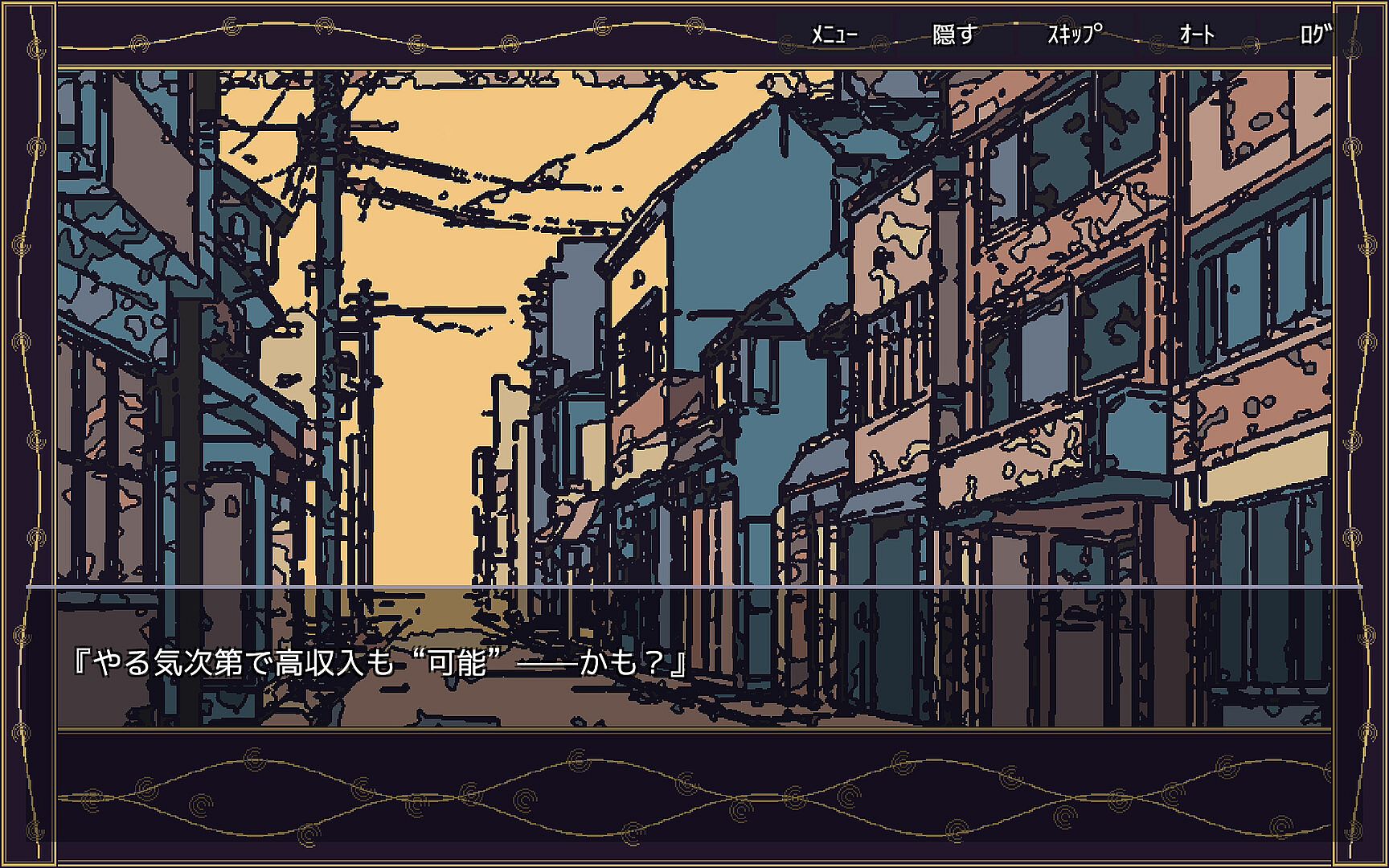
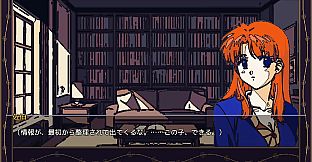
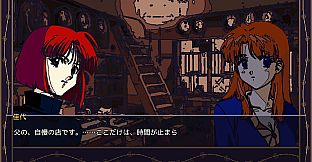
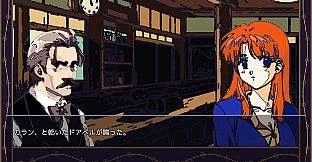
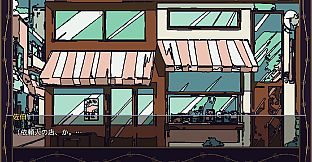
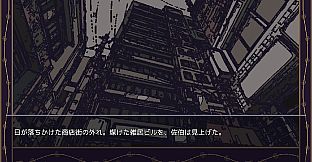
Visuellement, le jeu reproduit l'esthétique des classiques PC-88, PC-98 et X68000. Les scènes apparaissent d'abord en traits puis se colorent progressivement, dans une palette de bleu canard et de lumières chaudes qui évoque la nostalgie sans chercher l'effet spectaculaire. Le décor capture l'atmosphère d'une ville modeste à l'époque Showa, où l'ambiance et le détail priment sur l'action.
Game Modes
Le jeu se joue entièrement en solo dans une structure linéaire. Il se compose d'un prologue suivi de onze chapitres autonomes formant une anthologie saisonnière. Chaque chapitre propose une affaire indépendante centrée sur des vérités personnelles, permettant au joueur d'avancer à son rythme. Les fonctionnalités classiques d'aventure incluent plusieurs emplacements de sauvegarde accessibles à tout moment, ainsi que l'avance automatique, le saut de texte, l'historique et la sélection de chapitres.
Story and Setting
Saeki arrive à l'agence et rencontre Nao, l'assistante au caractère bien trempé, après que le directeur, d'humeur légère, l'ait embauché avant de disparaître. Les affaires qui suivent consistent à démêler les raisons qui poussent les gens dans certaines situations, sans grandes conspirations ni incidents violents. Le cadre du début des années 2000 offre une atmosphère ancrée où le joueur écoute les habitants et reconstitue, par l'observation et la perspicacité, des vérités modestes.
Visual Style and Features
Le rendu ligne et peinture fait apparaître chaque écran progressivement, des contours jusqu'à la couleur complète, dans l'esprit des anciens jeux PC japonais. Cette approche s'accompagne d'options de confort adaptées aux longues sessions. L'expérience reste centrée sur le texte et l'audio en japonais, sans localisation supplémentaire pour le moment.
- Système d'enquête par commandes avec mécanique de déduction
- Structure en chapitres permettant de rejouer chaque affaire séparément
- Esthétique rétro privilégiant l'atmosphère plutôt que la haute résolution
Is It Worth Playing?
Cette aventure s'adresse aux joueurs qui préfèrent les histoires de détectives narratives ancrées dans le quotidien et les interactions entre personnages plutôt que les intrigues à fort enjeu. Le système de commandes rétro et l'affichage progressif des scènes offrent un style distinct qui séduira les amateurs de classiques japonais. Disponible uniquement en japonais, le jeu s'adresse en priorité à ceux qui maîtrisent la langue originale pour découvrir ses affaires discrètes et introspectives. La structure en chapitres courts et autonomes permet d'y jouer de manière régulière sans engagement prolongé en une seule séance.