




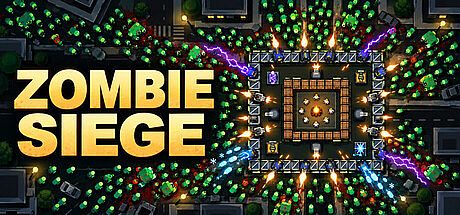




Zombie Siege is a top-down incremental strategy game that puts players in control of either a spreading zombie outbreak or a desperate human defense effort. Available on PC, it blends resource management, unit evolution, and defensive placement into two distinct experiences with separate saves and progression systems.
Gameplay
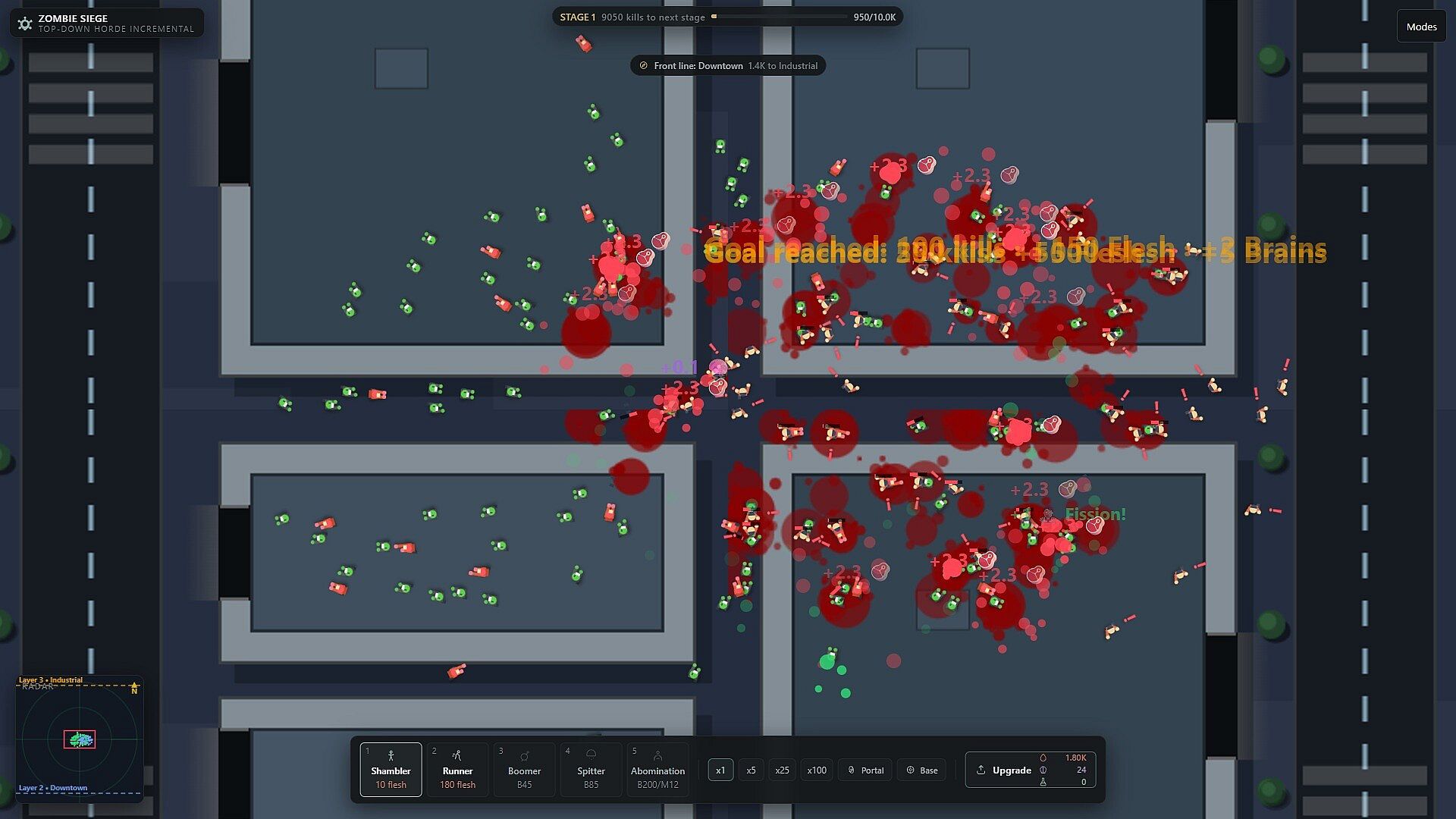
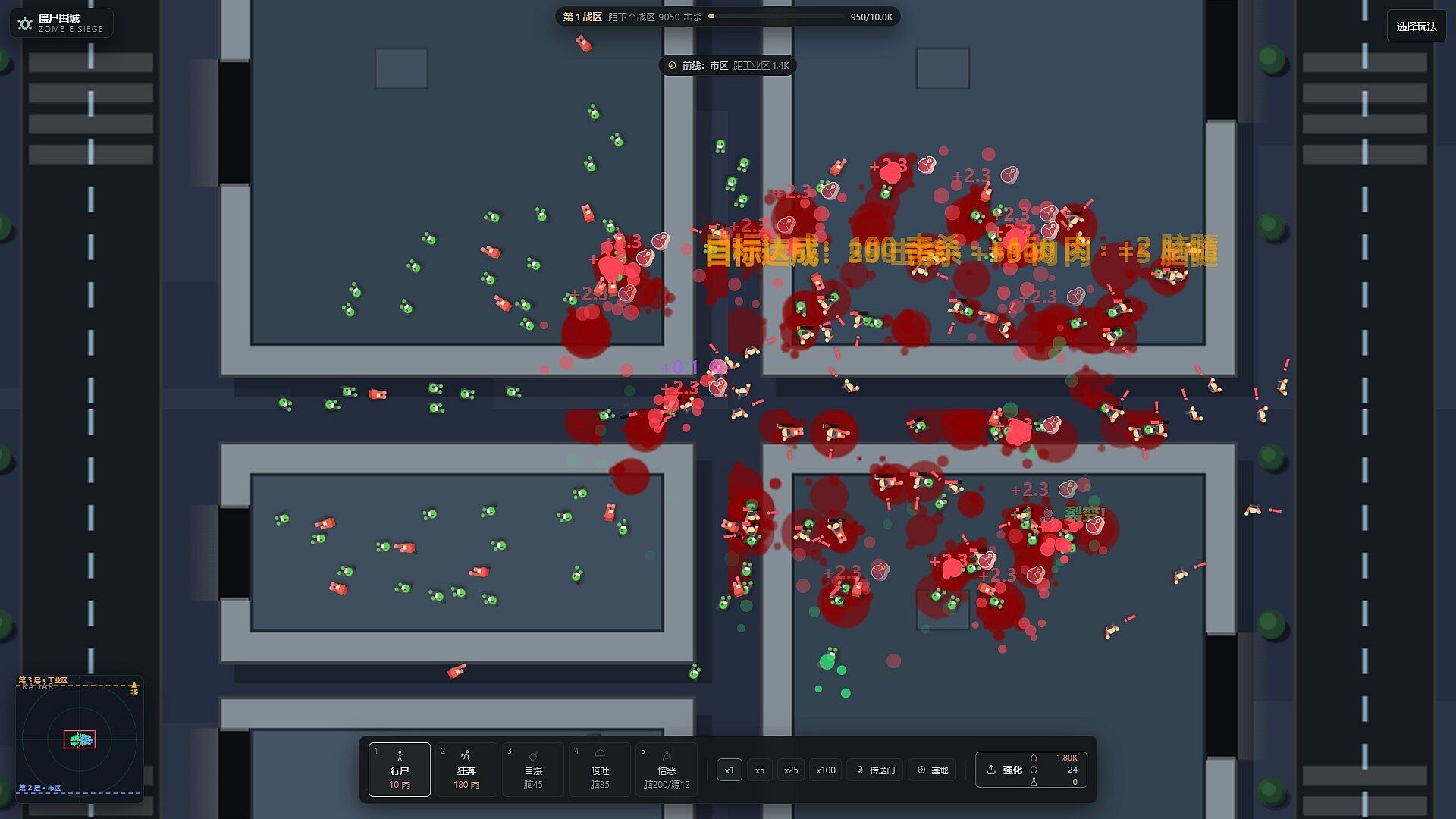
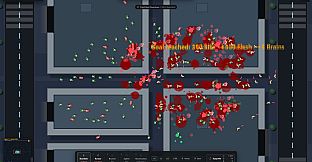
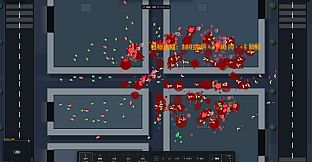
The core loop revolves around expanding forces and adapting strategies across repeated runs. On the outbreak side, players deploy zombies using pheromone beacons to direct the horde toward targets. Kills generate resources like Flesh, Brains, and Mutagen, which fund upgrades to unit capabilities, hive production, and equipment. Hives automate resource generation and reinforcements while mutations and affixes enhance army strength over multiple cycles of rebirth.
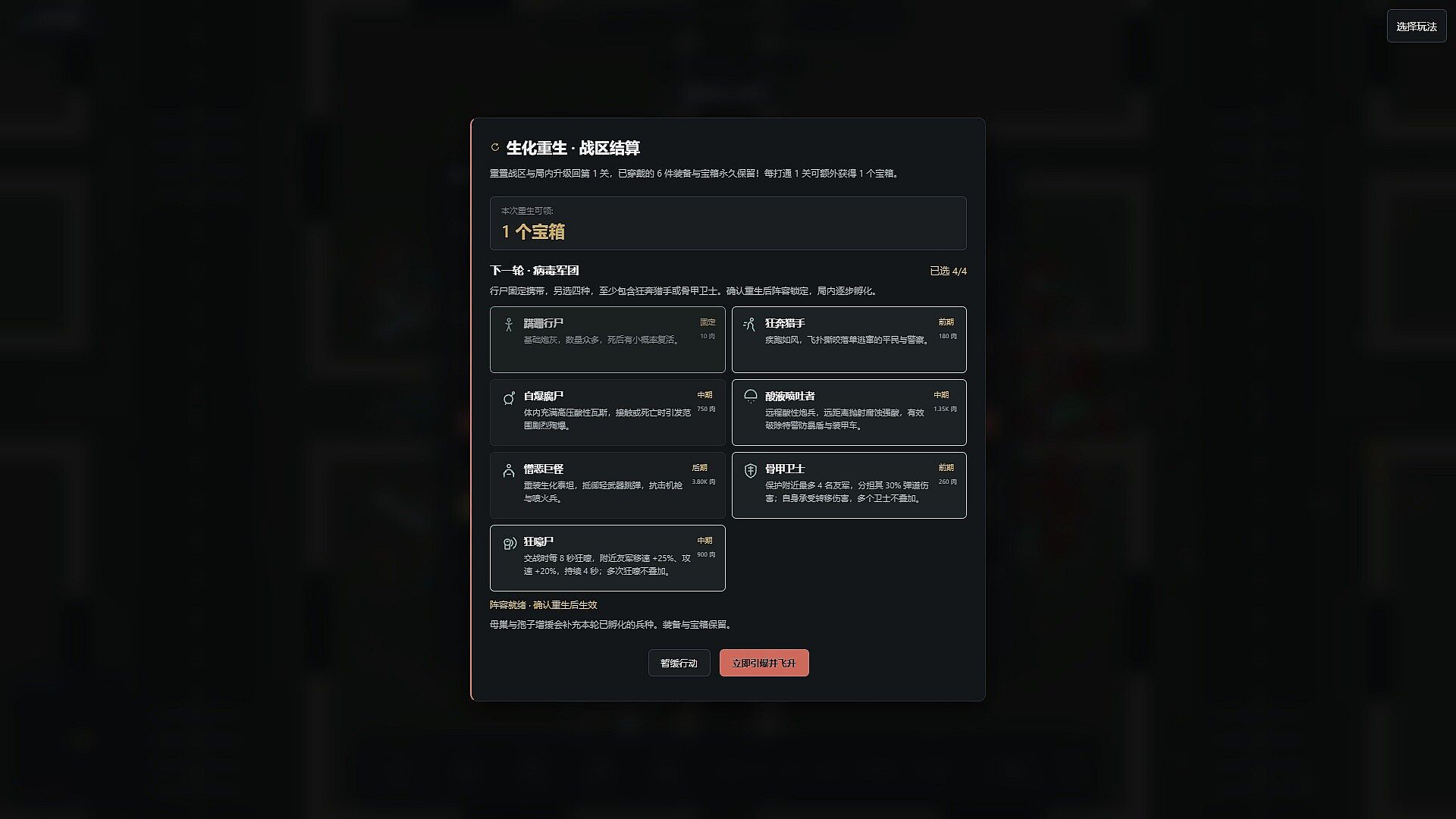
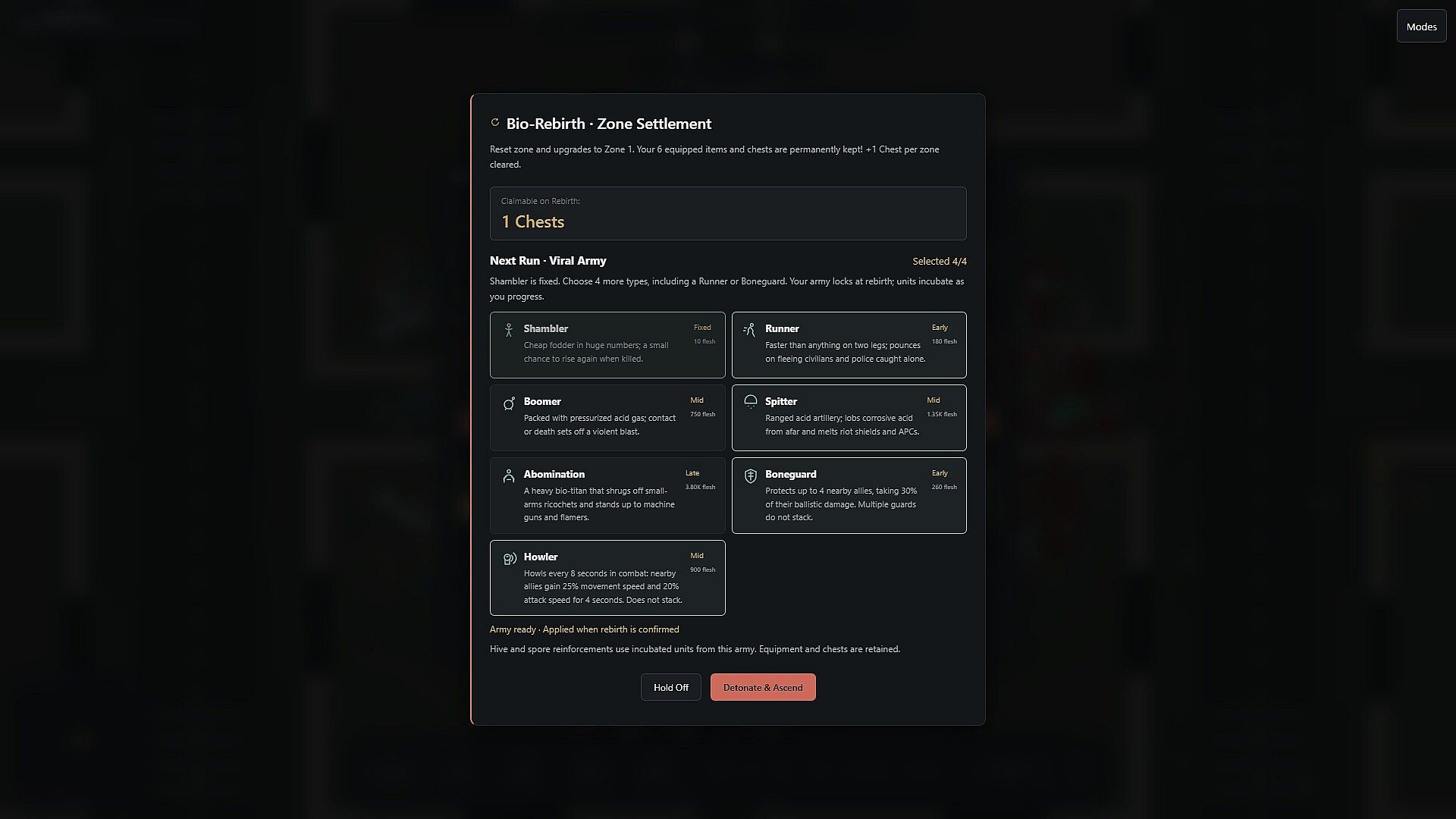
Seven zombie unit types fill distinct roles, with players selecting a five-type lineup after clearing initial combat zones. Options include basic Shamblers and Runners for mobility, explosive Boomers, ranged Spitters, and powerful Abominations. Support units like Boneguards provide protection against ballistic damage, while Howlers boost movement and attack speed for nearby allies. The city layout progresses northward through increasingly difficult districts, from slums to military zones, where stronger enemy forces appear.
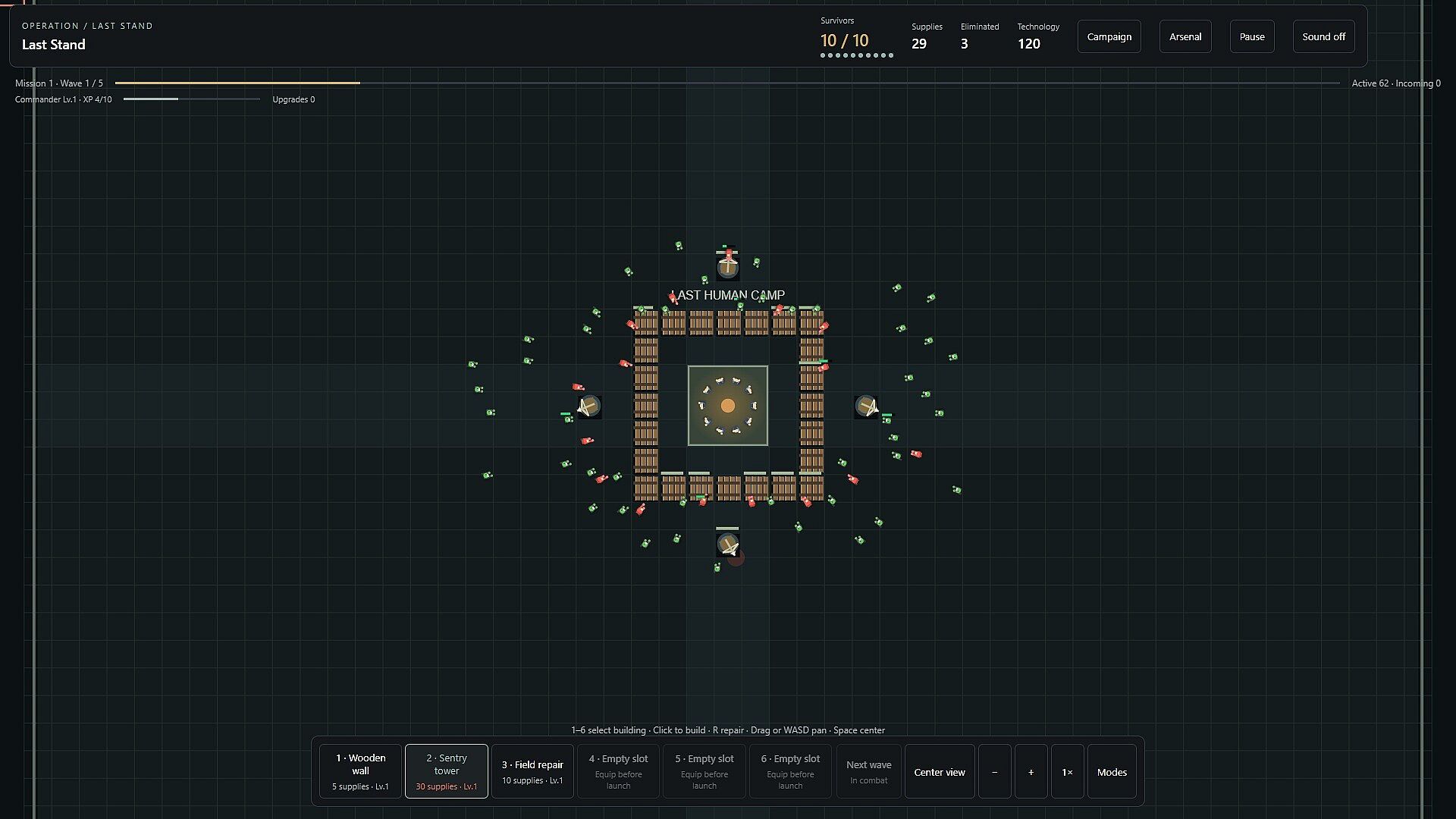
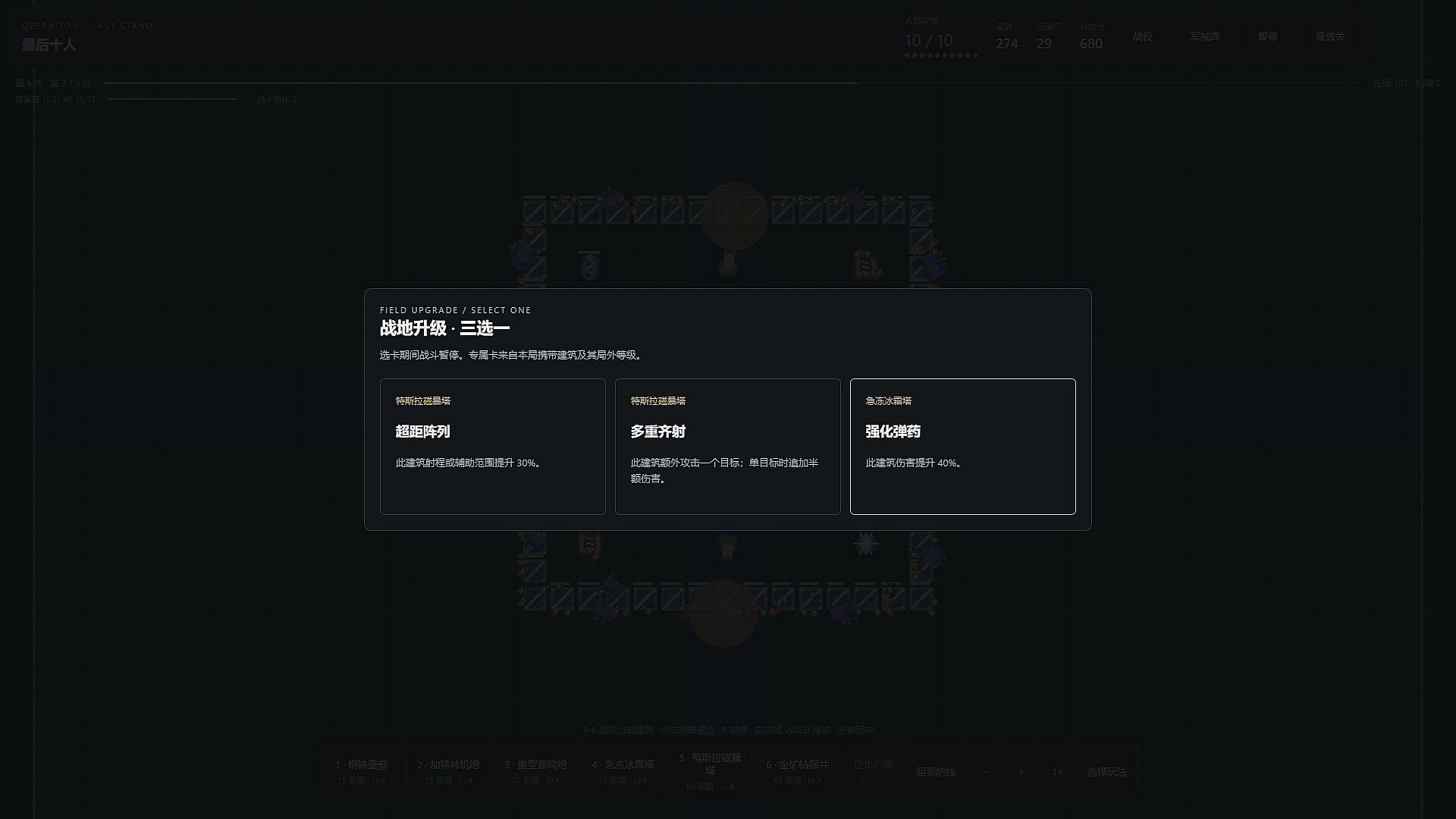
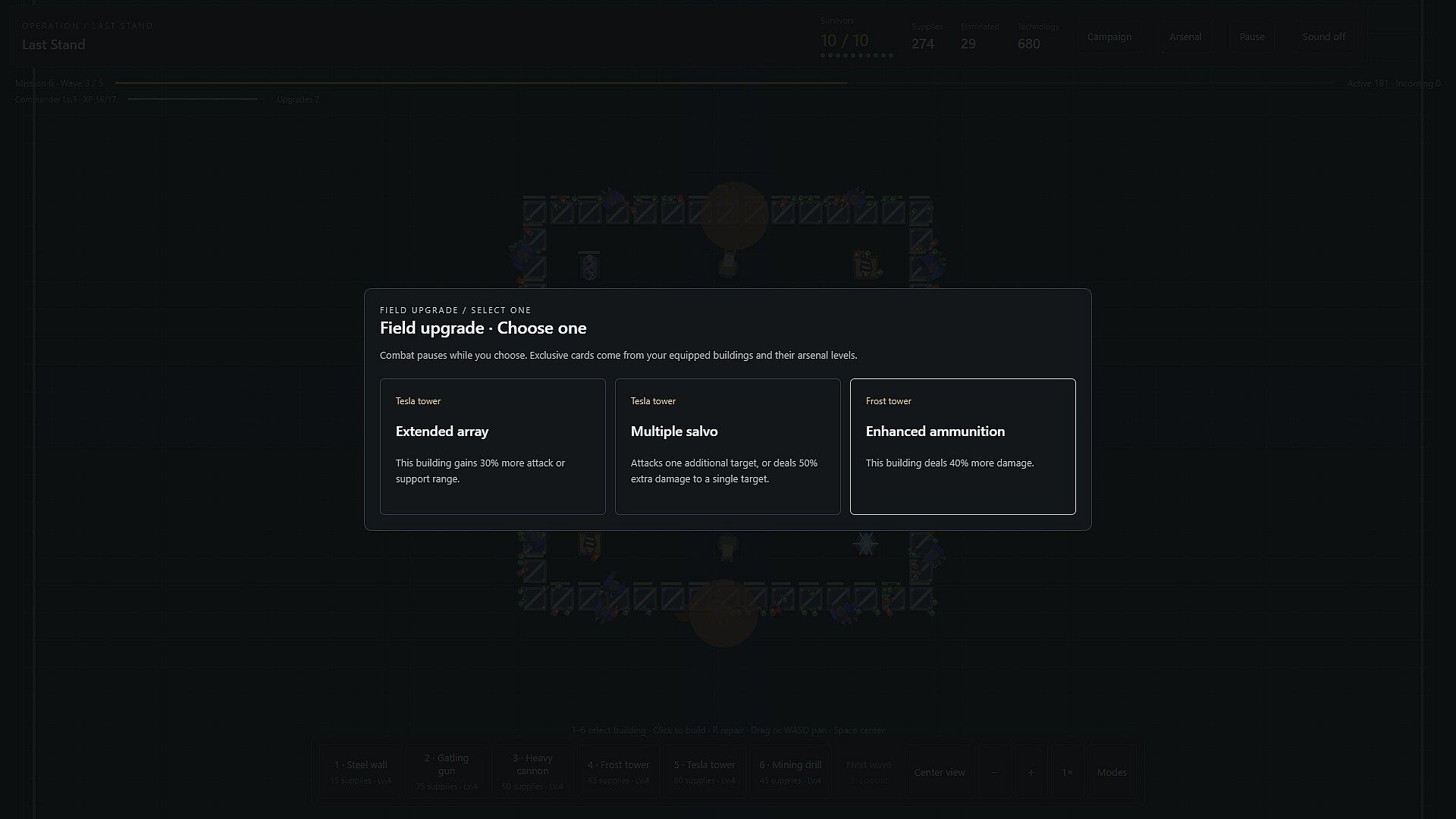
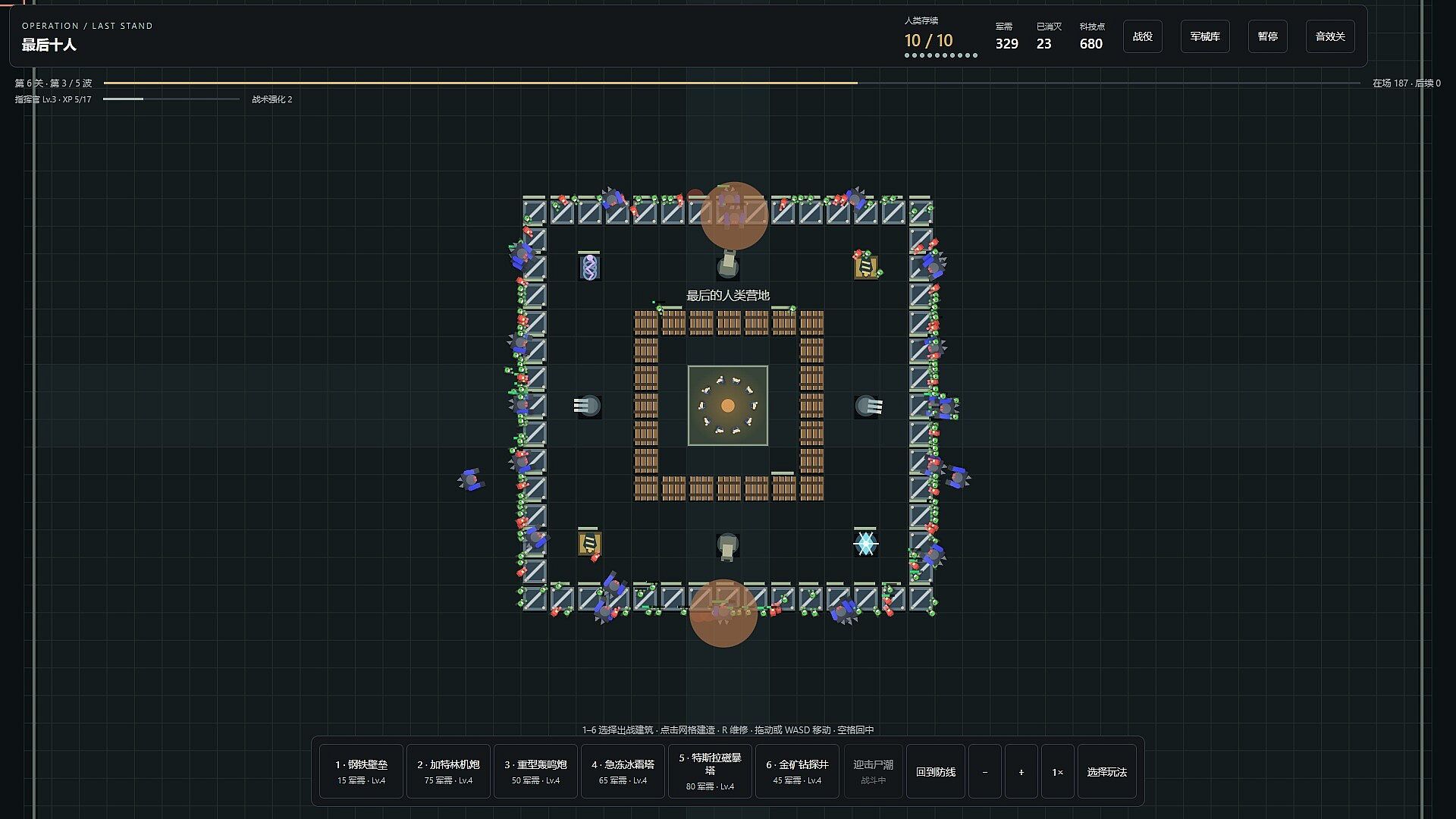
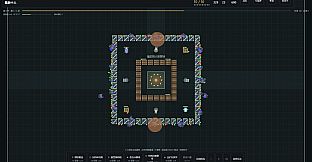
Human defense gameplay focuses on grid-based placement of walls, towers, traps, and support structures. Survivors operate from a central camp, and losses are permanent within a single battle. Facilities offer varied effects, from direct damage to crowd control, and can be upgraded across four levels to unlock specialized cards. Leveling during combat pauses the action for selections from upgrade options tied to the chosen loadout.
Game Modes
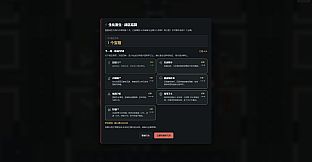
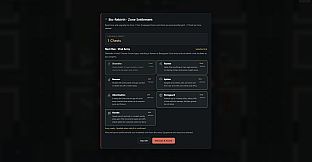
Outbreak mode tasks players with leading the zombie horde. Starting with a single deployment, the goal is to overwhelm districts while managing army composition and resource investment. Bio-Rebirth allows reconfiguration of the unit lineup after early successes, encouraging experimentation with different combinations of damage dealers, tanks, and supporters. Horde capacity grows from 500 to 1,000 through repeated play, and equipment affixes add variety to each run.
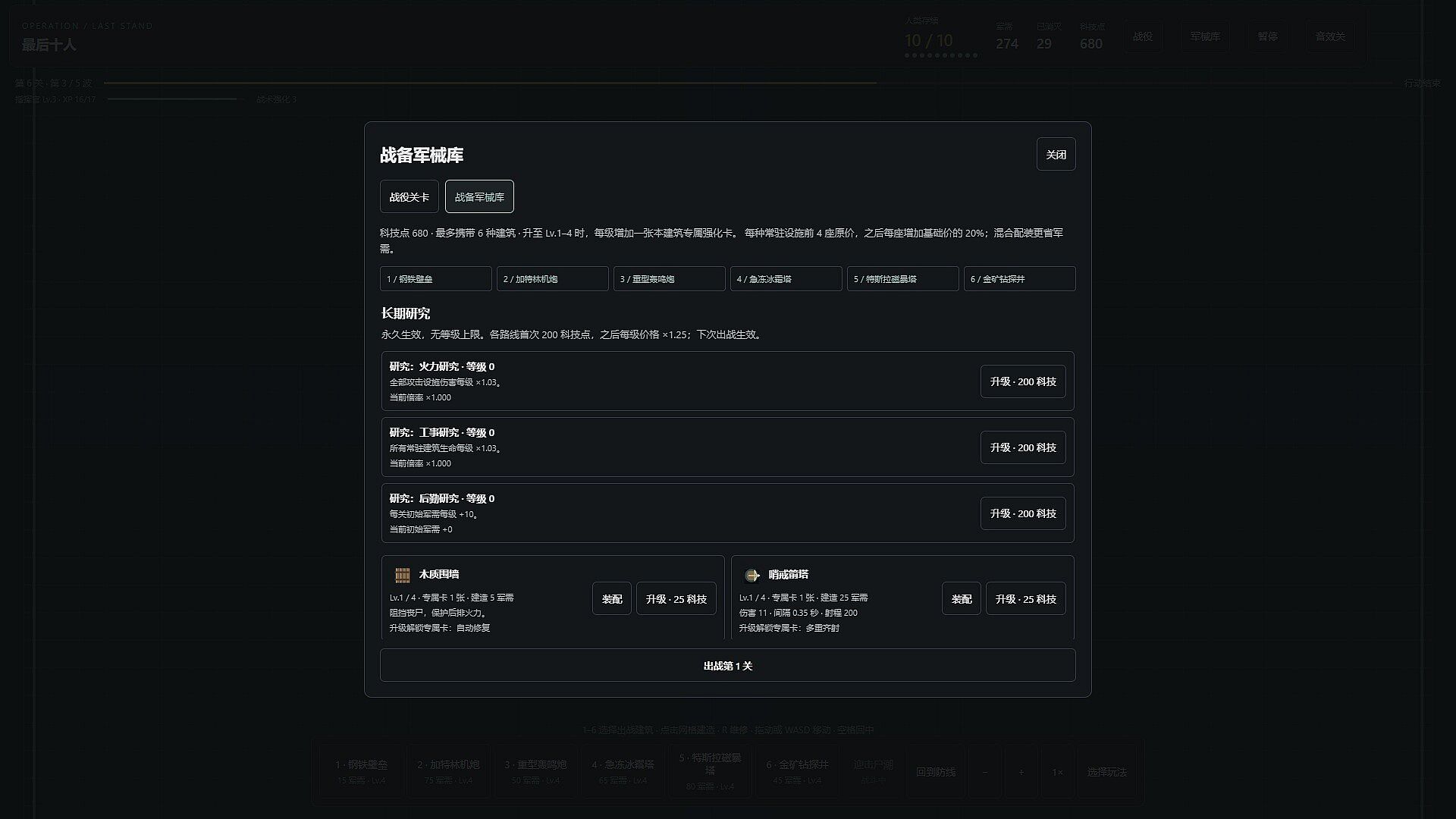
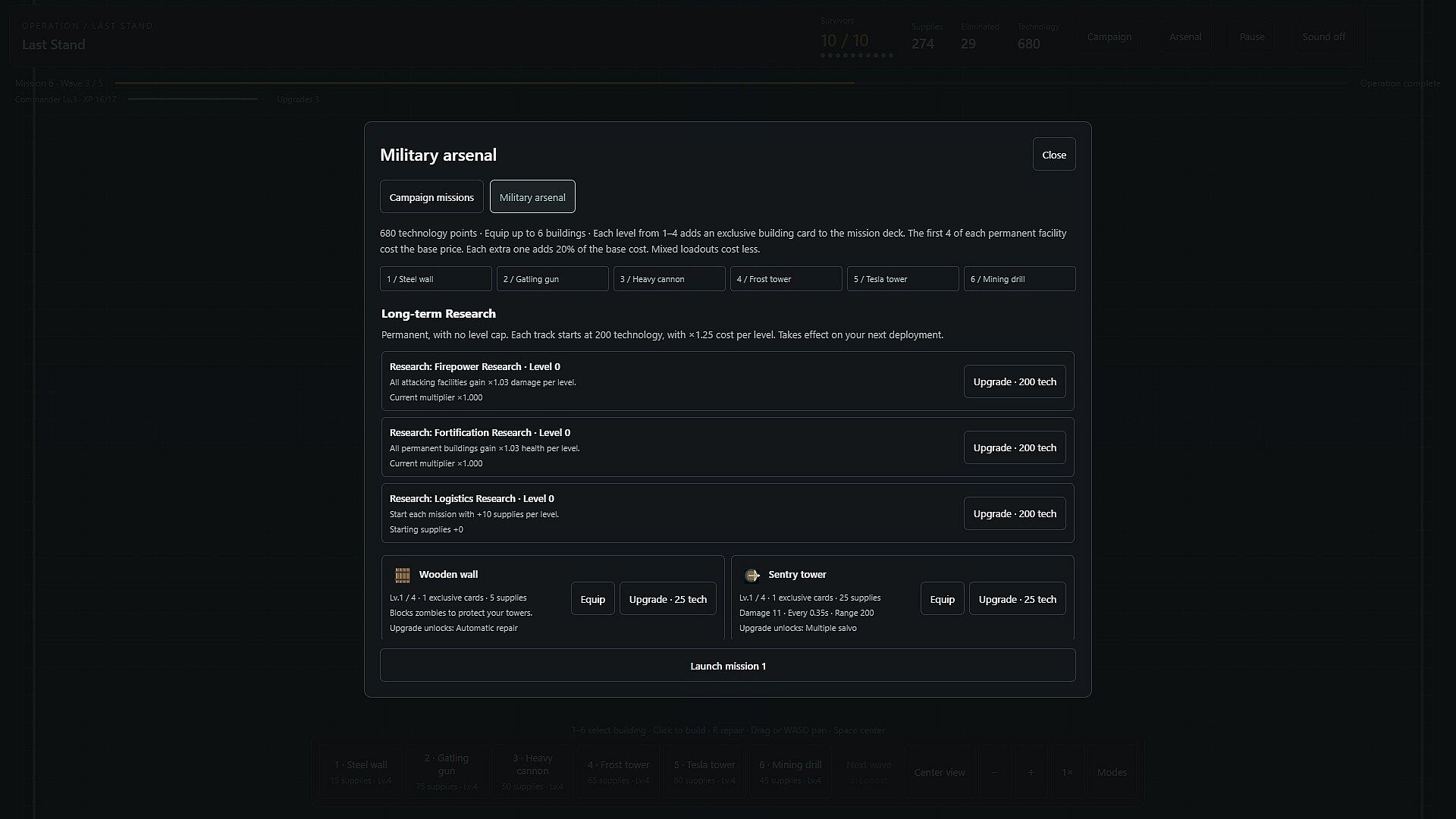
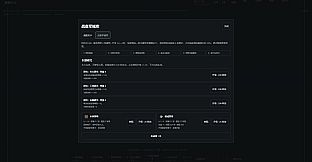
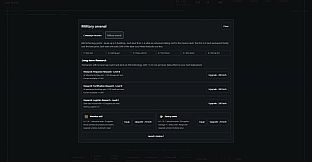
Last Stand mode shifts perspective to the survivors. Players defend against waves approaching from multiple directions using up to six facilities selected from 23 available options. These include arrow towers, machine guns, frost and Tesla towers, mines, shields, and orbital weapons. The campaign consists of 20 missions, each featuring five waves that culminate in a Siegebrute boss with telegraphed attacks, reinforcements, and a frenzy phase at low health. Endless missions provide additional challenges, supported by three research paths focused on firepower, fortifications, and logistics.
Progression and Features
Separate saves keep the two modes independent, allowing focused advancement in either direction. Zombie progression emphasizes incremental growth through resource spending and rebirth cycles that carry improvements forward. Human side progression involves unlocking facilities, refining loadouts, and investing in research that applies across missions.
Controls rely on mouse and keyboard, with interfaces available in English and Simplified Chinese. The design supports single-player sessions centered on strategic decision-making rather than real-time reflexes, appealing to those who enjoy planning army compositions or optimizing defensive grids.
Is It Worth Playing?
Players who enjoy incremental strategy combined with tower defense elements will find a solid match in the dual-mode structure. The outbreak side rewards experimentation with unit lineups and long-term upgrades, while the defense side emphasizes careful placement and upgrade choices during waves. With 20 campaign missions plus endless options on the human side, and scalable horde management on the zombie side, the game offers substantial content for its price point. Those seeking a focused, single-player experience without multiplayer requirements or seasonal events should consider it a worthwhile addition to their library if the genres align with their preferences.











