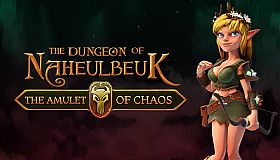








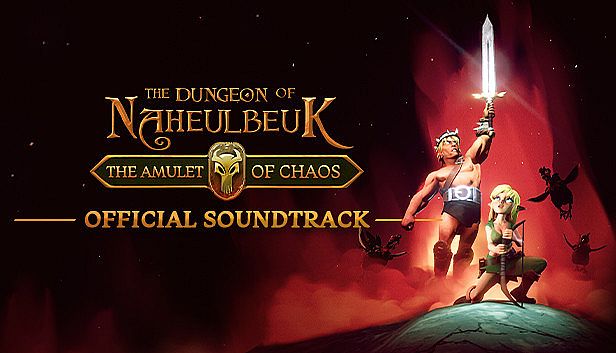
Le Donjon de Naheulbeuk : L'Amulette du Chaos est un RPG tactique au tour par tour qui vous met à la tête d'une bande d'aventuriers aussi incompétents que pittoresques. Prisonniers d'un vaste donjon truffé de pièges, de trésors et d'habitants pour le moins excentriques, ils évoluent dans un univers de fantasy héroïque satirique, directement inspiré de la série audio et des comics existants. La bande-son originale, composée et enregistrée par Pen of Chaos alias John Lang, accompagne l'aventure de morceaux décalés et mémorables qui renforcent le ton léger sans jamais éclipser l'aspect tactique.
Gameplay
L'exploration se déroule sur plusieurs étages du donjon. À l'aide de la souris ou du clavier, vous déplacez le groupe pour fouiller les conteneurs, discuter avec les PNJ et esquiver les pièges ou obstacles destructibles. Entre les combats, la collecte de butin et quelques énigmes légères incitent à inspecter chaque zone avant d'avancer. Les affrontements se jouent sur une grille au tour par tour : chaque personnage dispose d'un nombre limité de points d'action pour se déplacer, attaquer ou utiliser ses capacités. Le positionnement est primordial : il est possible de se mettre à couvert pour réduire la précision des ennemis ou d'adopter une posture de vigilance qui déclenche des réactions contre les adversaires approchants.
Les sept membres du groupe possèdent chacun leur propre arbre de compétences, que vous développez au fil des niveaux pour les orienter vers des rôles offensifs, défensifs ou de soutien. Les alliés proches bénéficient de bonus de précision et certaines aptitudes permettent des actions combinées, comme projeter un coéquipier ou créer des effets conjoints. Un compteur d'échecs s'accumule lors des attaques ratées et finit par débloquer des interventions puissantes à l'échelle du groupe, comme des soins de zone ou des repositionnements. L'équipement et les bonus passifs affinent encore la tactique, tandis qu'un bestiaire de plus de cent ennemis oblige à adapter constamment ses stratégies. L'ensemble récompense la planification et la synergie plutôt que la force brute.
Modes de jeu
L'expérience principale se compose d'une campagne solo qui avance à travers des quêtes scénarisées et du contenu secondaire optionnel. Plusieurs niveaux de difficulté sont proposés, du mode histoire simplifié qui fluidifie les combats jusqu'au mode cauchemar impitoyable où une erreur de positionnement ou une mauvaise gestion des ressources peut mettre fin à l'affrontement. Aucun mode multijoueur coopératif ou compétitif n'est disponible, l'accent restant entièrement porté sur les décisions tactiques et la gestion du groupe dans le cadre de l'histoire principale et des défis annexes.
Characters and Party Building
Le groupe de départ réunit sept archétypes aux personnalités marquées : le Ranger, l'Elfe, le Nain, le Barbare, le Magicien, l'Ogre et le Voleur. Chacun dispose d'armes, d'armures et de compétences spécifiques qui gagnent à être combinées intelligemment. Après un tutoriel initial, il est possible de recruter l'un des trois compagnons optionnels - Paladin, Prêtresse ou Ménestrel - ou de continuer uniquement avec les sept personnages de base. La répartition des points de compétence entre capacités actives, passifs et options de soutien permet d'adapter chaque rôle, par exemple en faisant de l'Ogre un tank de première ligne ou en exploitant le Voleur pour le contrôle de foule et les repositionnements.
Vaut-il le coup ?
Les joueurs en quête d'un RPG tactique teinté d'humour apprécieront la profondeur des combats et la gestion du groupe, surtout s'ils aiment réfléchir au positionnement, aux synergies de compétences et à la progression des personnages. Le ton satirique et les interactions entre les membres du groupe séduiront les amateurs de fantasy légère et parodique, tandis que les options de difficulté s'adaptent aussi bien aux débutants qu'aux vétérans du genre. La critique souligne la solidité du système tactique et le charme de la présentation, même si l'humour divise et peut sembler répétitif sur la durée. Avec une campagne solo complète, des quêtes annexes et des extensions post-lancement, le jeu convient à ceux qui recherchent une aventure tactique autonome, centrée sur la stratégie et les personnalités plutôt que sur le multijoueur ou les services en ligne. Les amateurs de gestion de groupe dans des affrontements exigeants et d'exploration d'environnements détaillés y trouveront le plus d'intérêt.