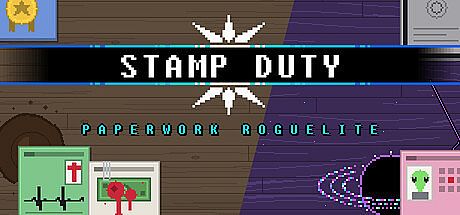


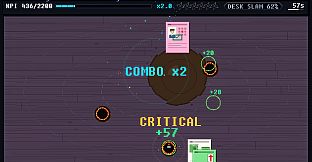
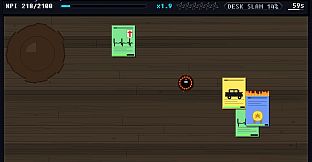
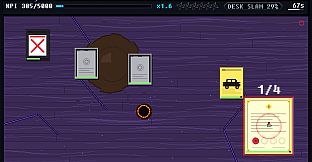
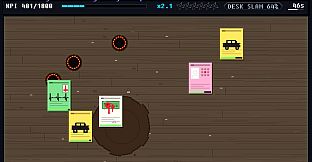
STAMP DUTY: PAPERWORK ROGUELITE is an indie simulation game that places players in the role of a probationary clerk at Vantrell Mutual in 1994. The experience centers on processing incoming forms under strict time pressure, identifying forgeries through visual cues like shape, color, and specific marks rather than reading text. Left-click approves a form while right-click denies it, with the space bar remaining unavailable until unlocked through career progression. The core loop revolves around a single week of work that resets with each run, building tension through escalating daily challenges and accumulating strikes for errors or expired forms.
Gameplay
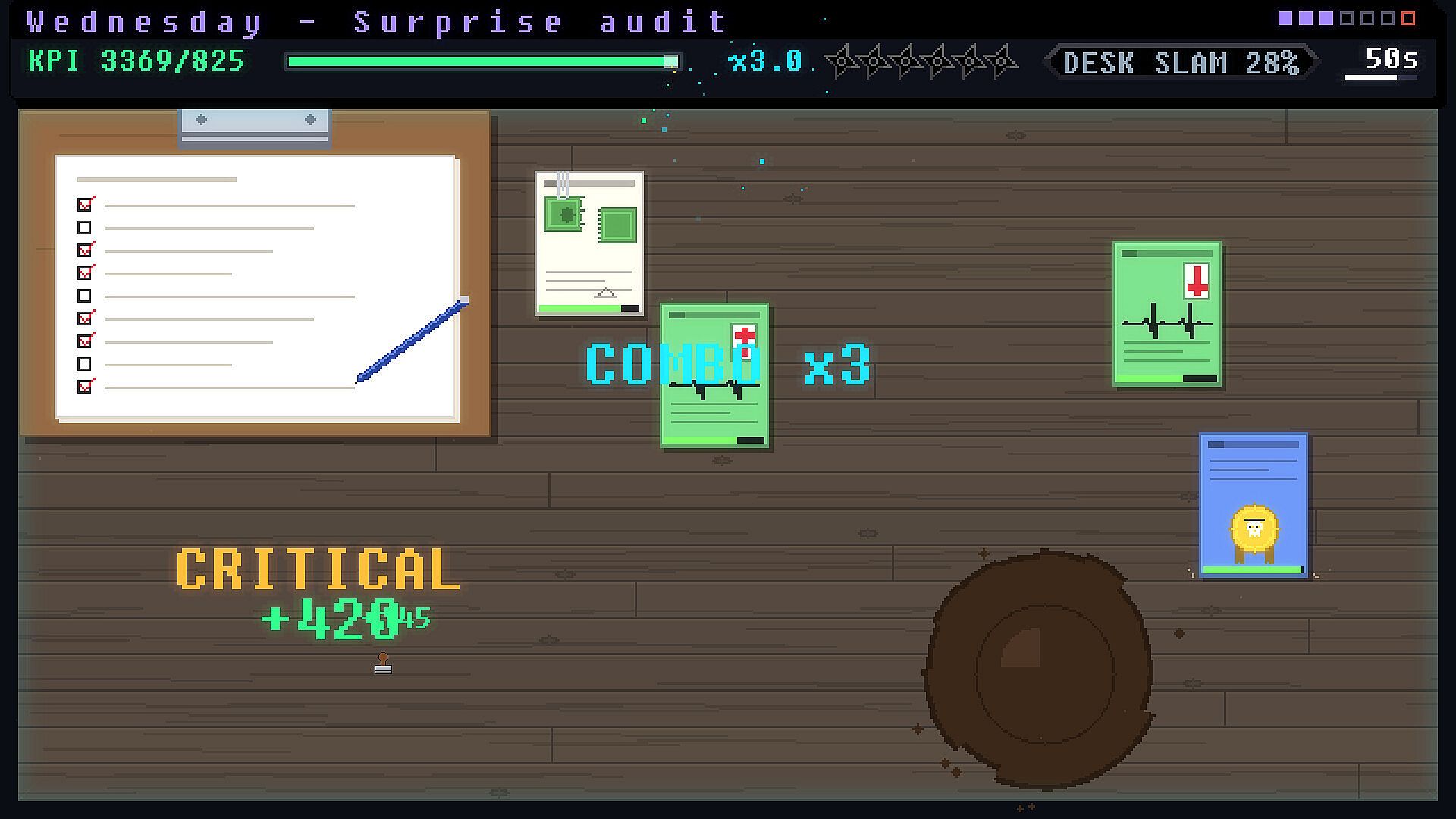
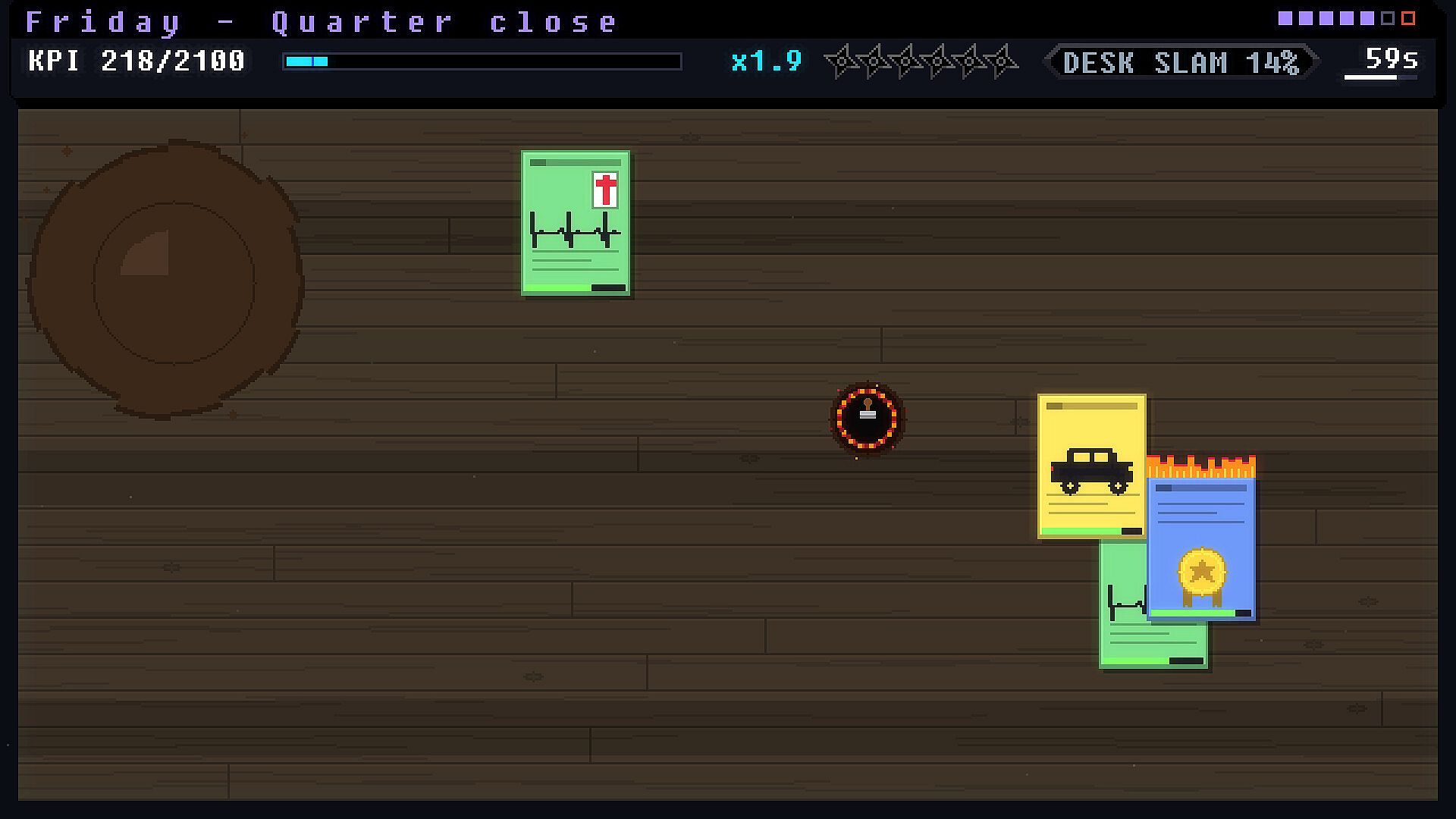
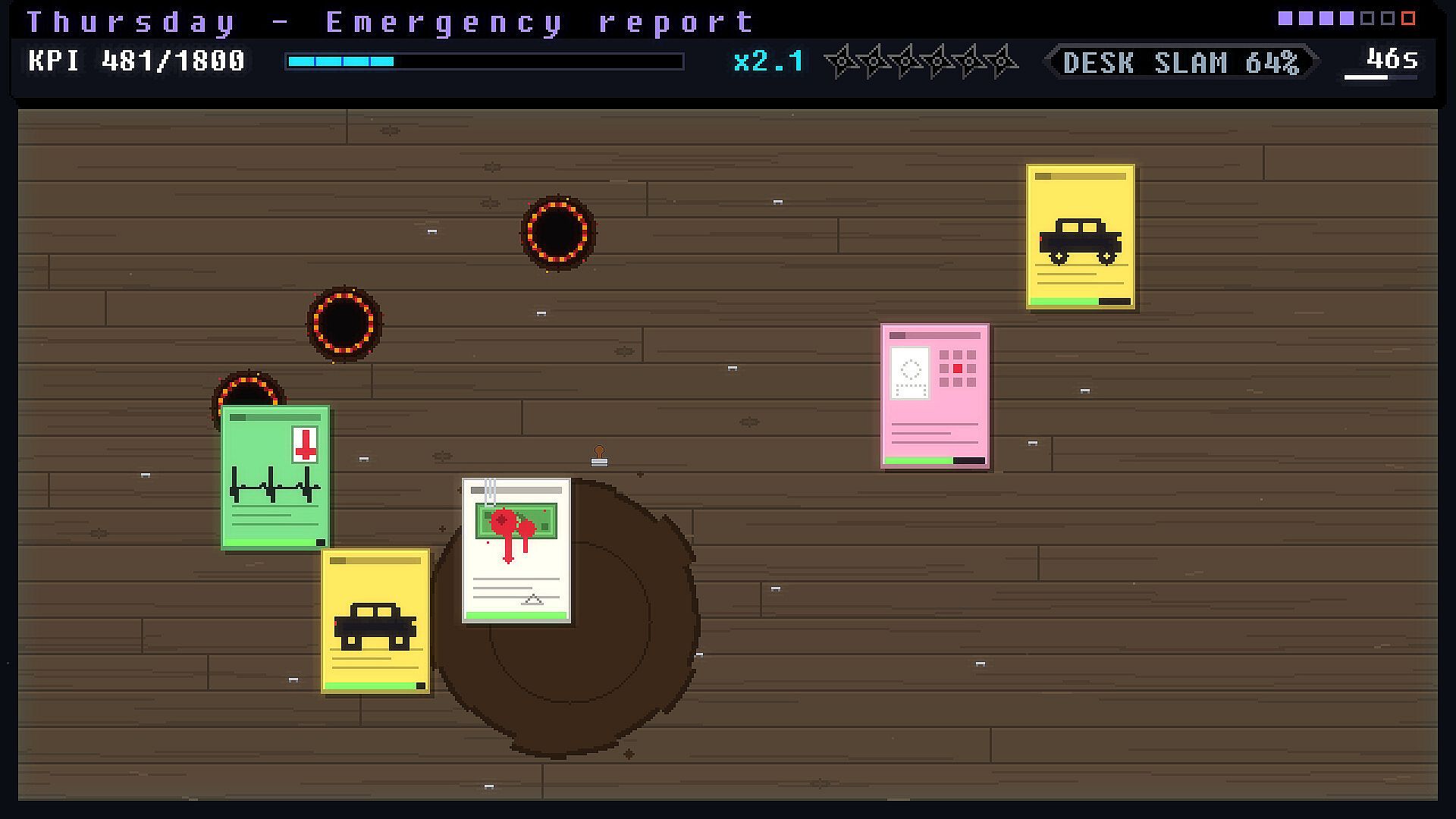
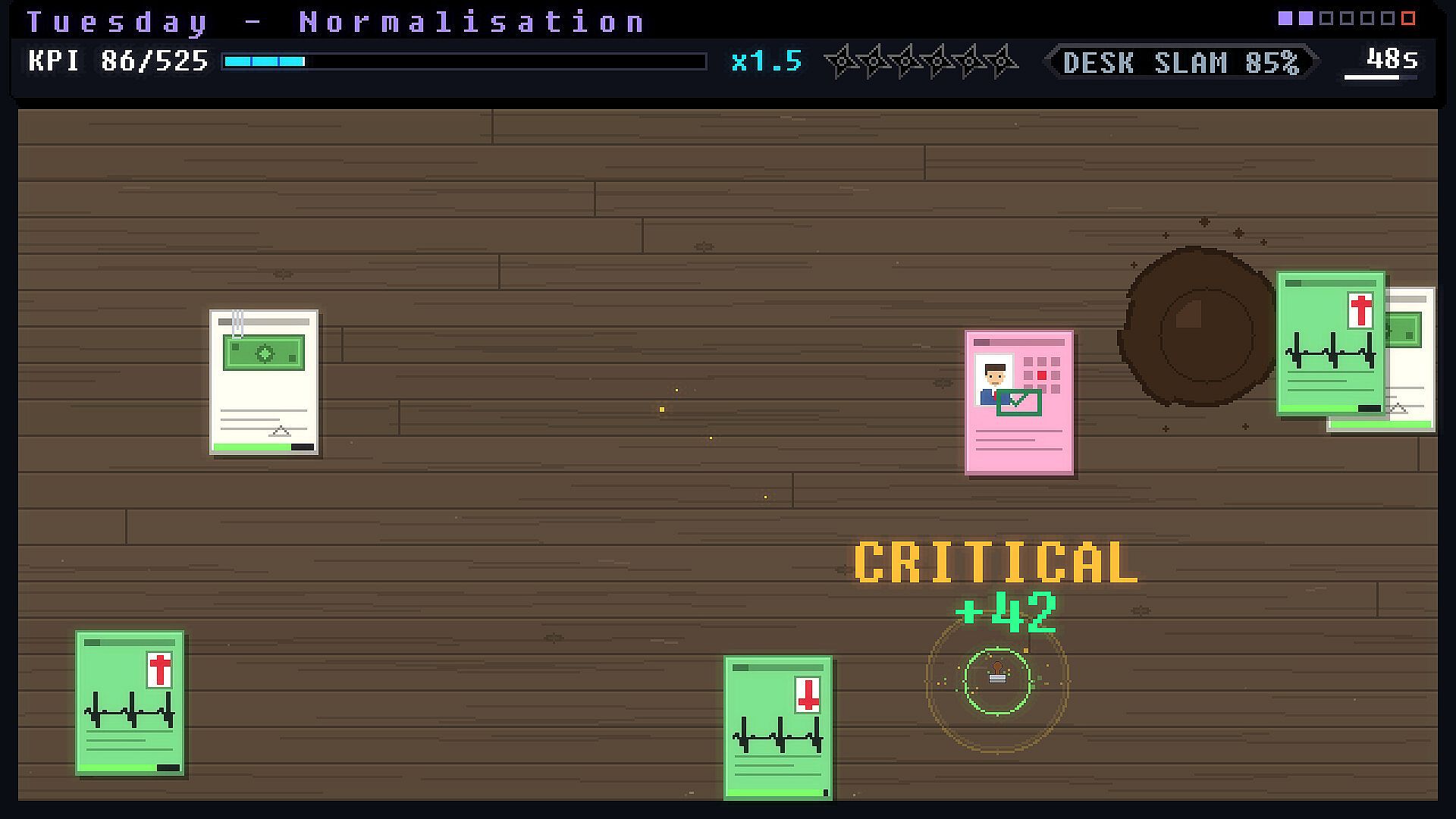
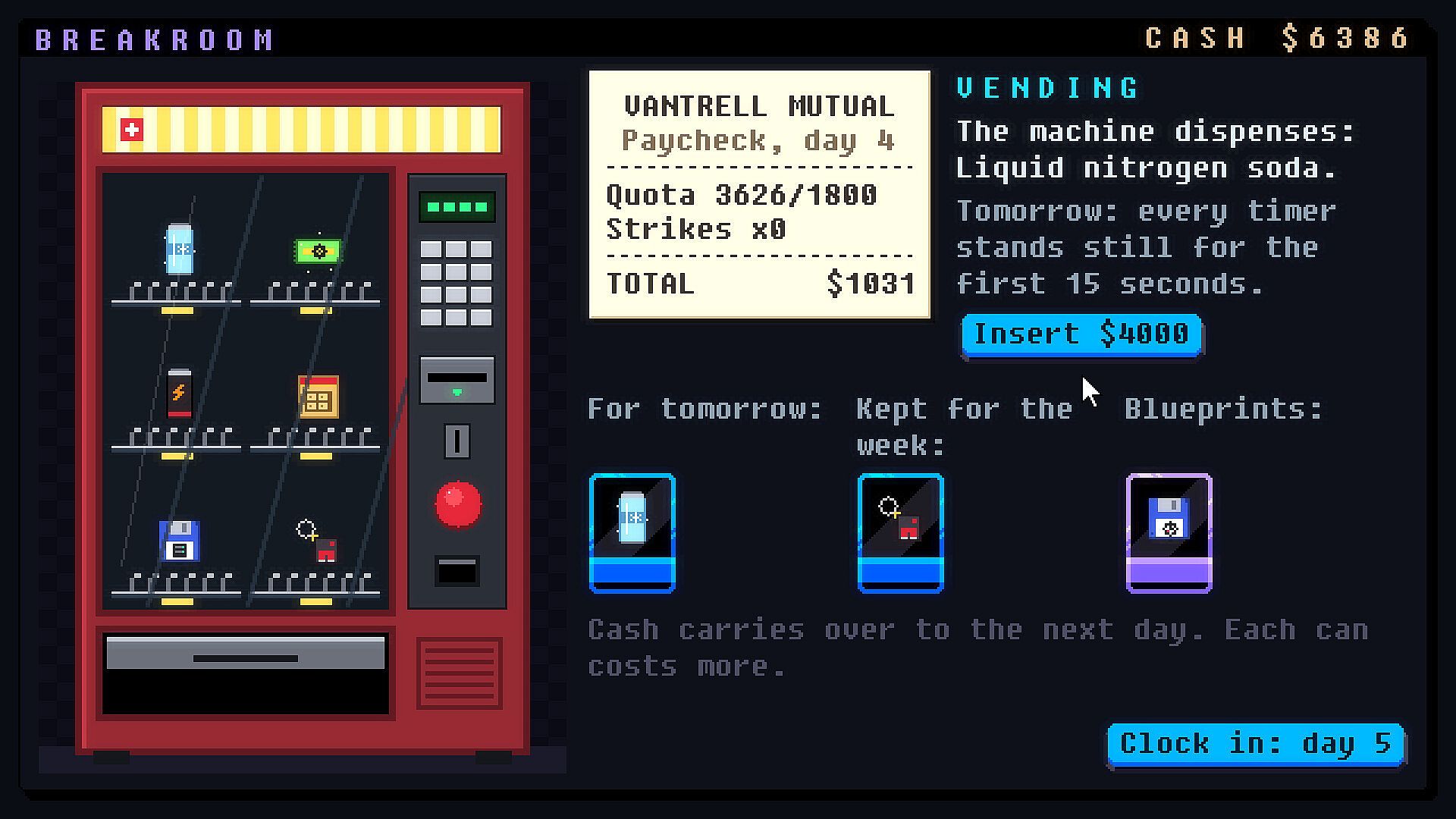
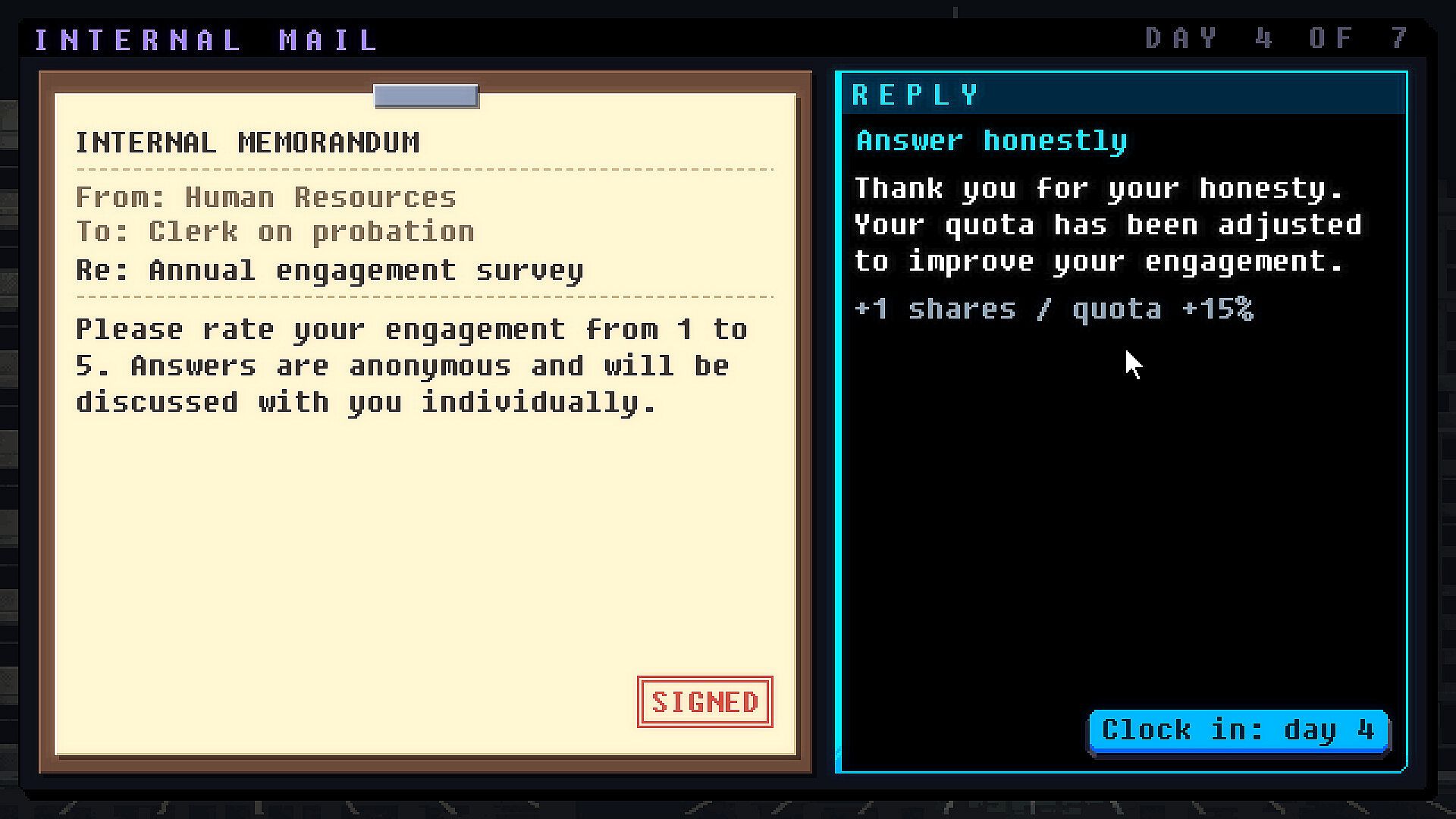
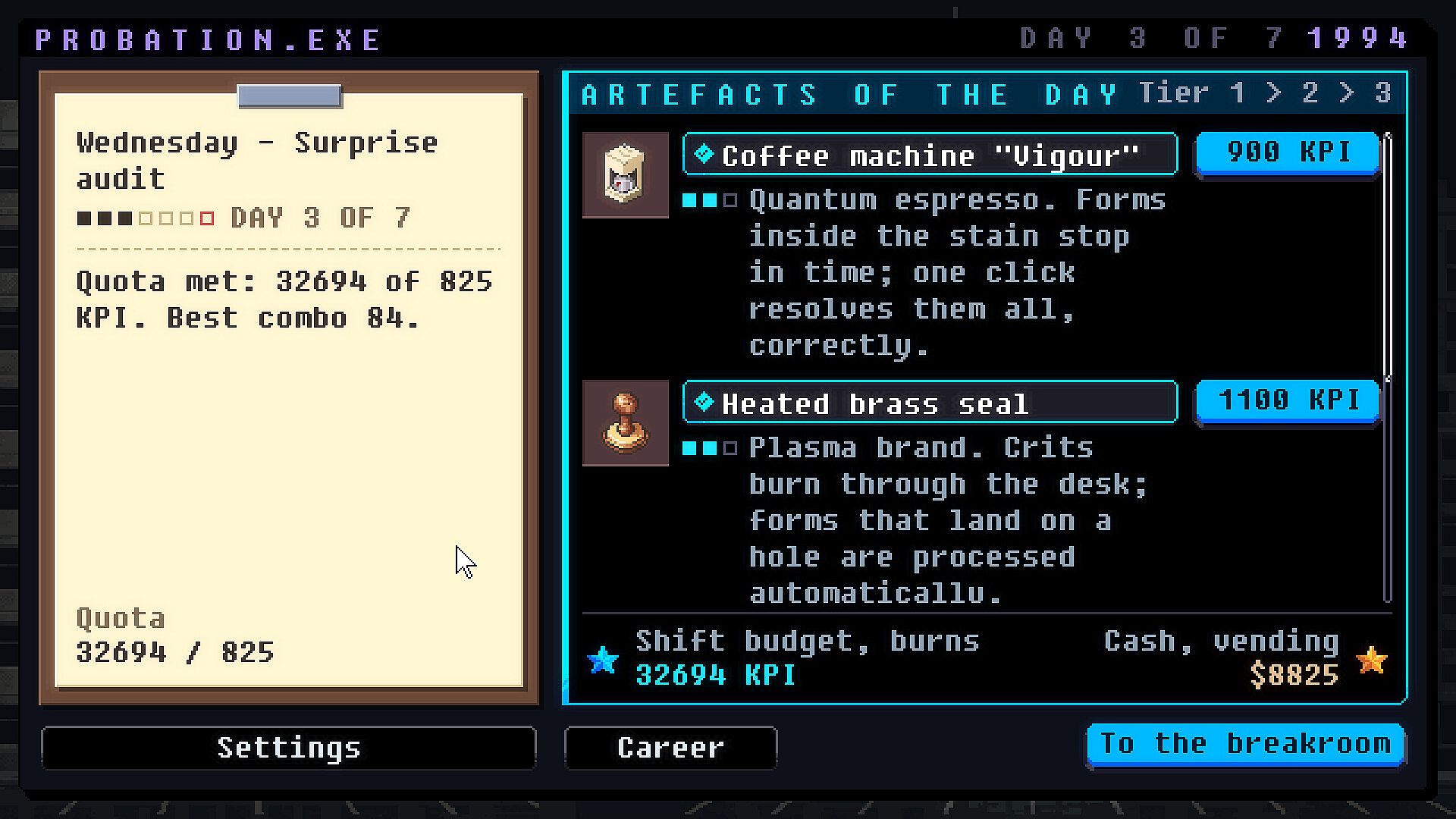
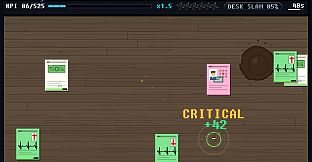
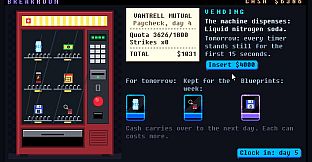
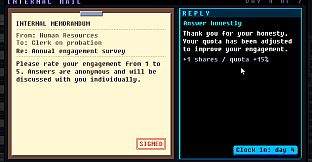
Each shift requires quick visual assessment of forms that arrive at varying speeds and priorities. Standard forms demand correct approval or denial based on matching details such as an upright cross and heartbeat line on medical claims or an intact gold seal on police reports. VIP forms offer higher rewards but shorter timers, while burning forms double payouts at the cost of even less time. Forged documents always contain one mismatched element, and missing the correct action results in a strike. Three currencies drive progression: KPI earned from accurate stamps and combos spent on temporary artifacts, cash received per shift for vending machine purchases, and permanent shares invested in the career tree. Internal memoranda appear before shifts starting Tuesday, presenting policy trade-offs that carry narrative threads across multiple weeks through notes and ongoing correspondence.
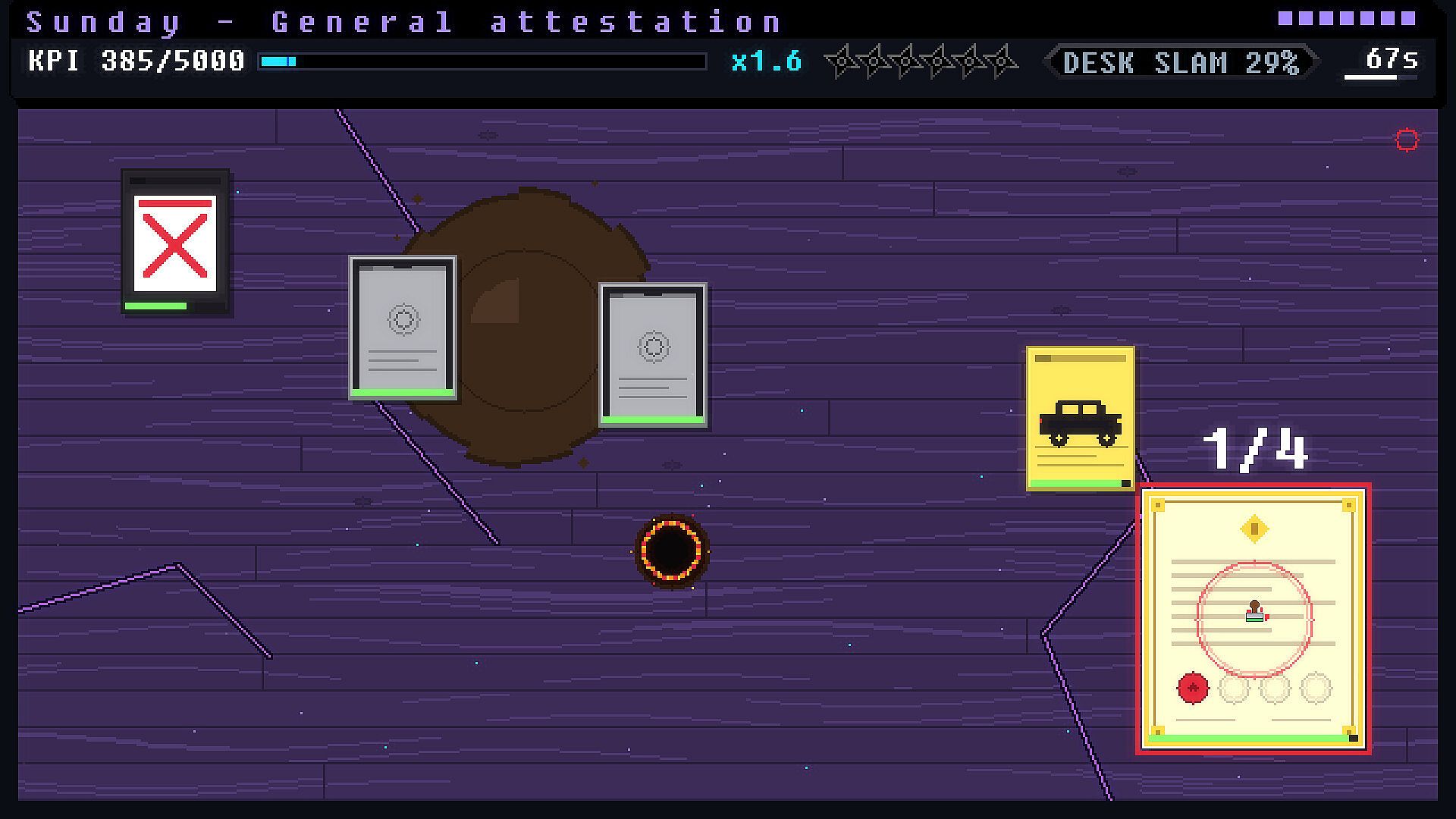
The career tree begins with unlocking the space bar and expands across twenty-four nodes in four branches, including emergency protocols such as the desk slam, hydraulic press, general stamp, and event horizon. A mechanical intern or union representation options further customize runs. Ascension levels, up to twenty, permanently shorten timers and introduce new policy clauses while preserving prior effects. Seven form types and fourteen forgery variants emphasize pattern recognition over reading, supported by accessibility options including color-independent marks, relaxed timers, reduced motion, vision filters, captions, and rebindable controls.
Game Modes
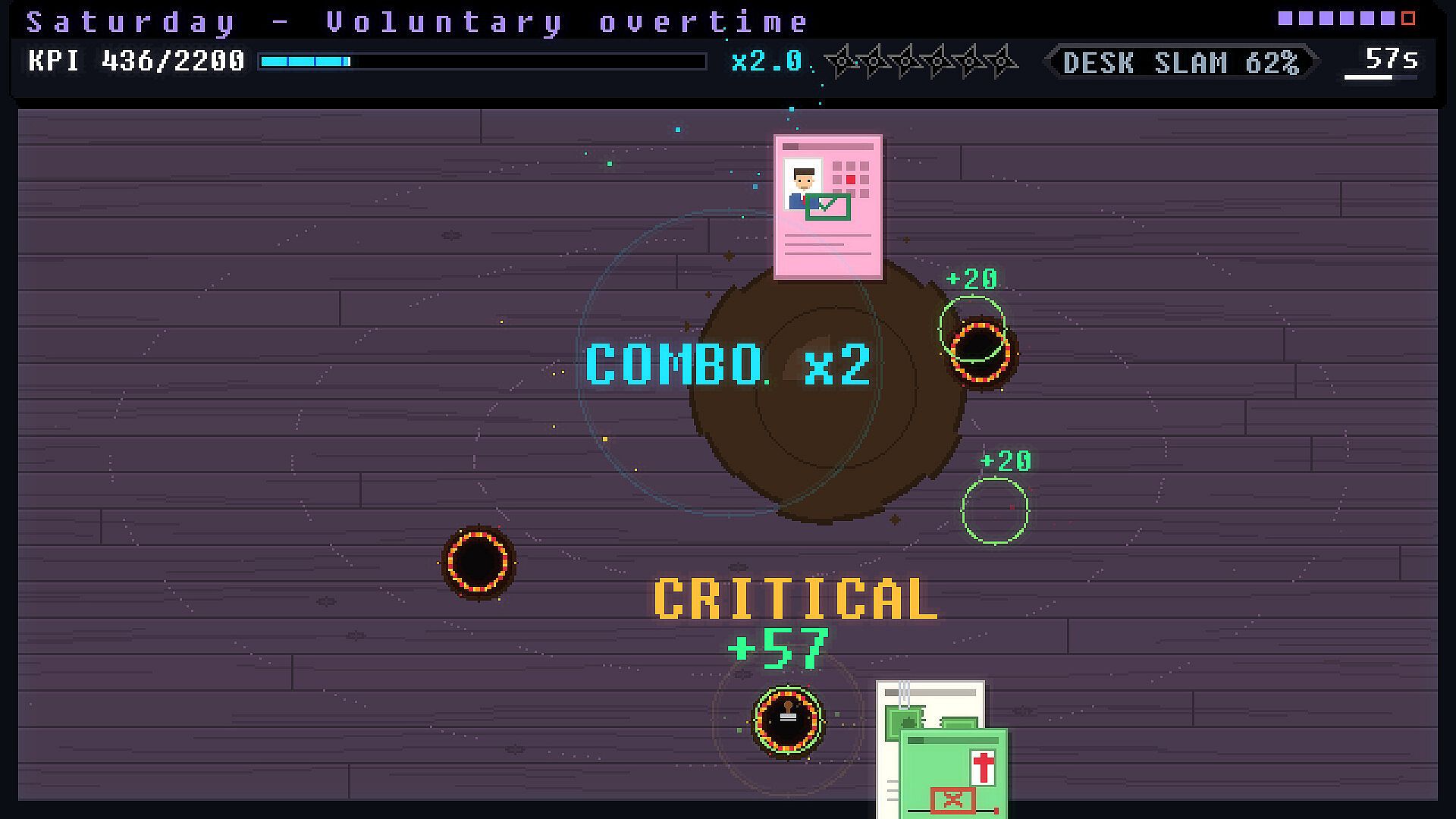
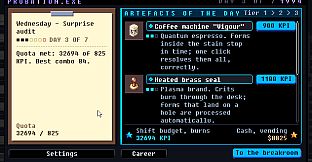
The game operates as a single-player roguelite with runs structured around a seven-day work week. Monday serves as induction with standard quotas. Tuesday introduces VIP forms, Wednesday features a surprise audit with an inspector's clipboard, Thursday brings paired arrivals, Friday marks quarter close with flickering lights, Saturday involves voluntary overtime under altered colors, and Sunday brings the Board of Directors for high-stakes contracts and potential separation notices. Missing daily quotas adds strikes for the next day, while Sunday shortfalls carry heavier consequences. The vending machine and run store provide mid-week choices, and memoranda add persistent story elements that evolve from week to week without resetting entirely.
Progression and Systems
Artifacts from the run store come in three tiers and combine with vending machine items like snacks, relics, and blueprints to alter each week's flow. The career tree and Ascension system create long-term growth across multiple runs, with shares carrying forward permanently. Three distinct endings exist, one outside standard handbook expectations. Daily quotas and strike accumulation create risk-reward decisions, while the fixed visual identification system keeps focus on timing and pattern matching rather than text analysis.
Is It Worth Playing?
STAMP DUTY: PAPERWORK ROGUELITE targets players who enjoy simulation mechanics combined with roguelite runs and precise visual decision-making. The weekly structure and escalating daily events provide a clear loop of short sessions that build toward permanent upgrades through the career tree and Ascension levels. Accessibility features broaden appeal for different play styles, and the bureaucratic theme delivers consistent tension without relying on combat or exploration. With a planned release in Q4 2026 and no user reviews available yet, the game suits those drawn to its unique form-processing premise and layered progression systems. Fans of timing-based indie simulations with persistent meta-progression will find the described mechanics align closely with that preference.