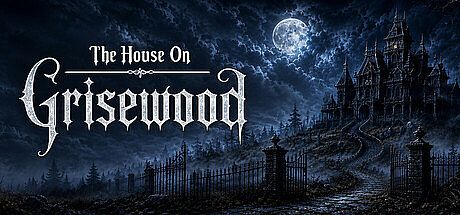


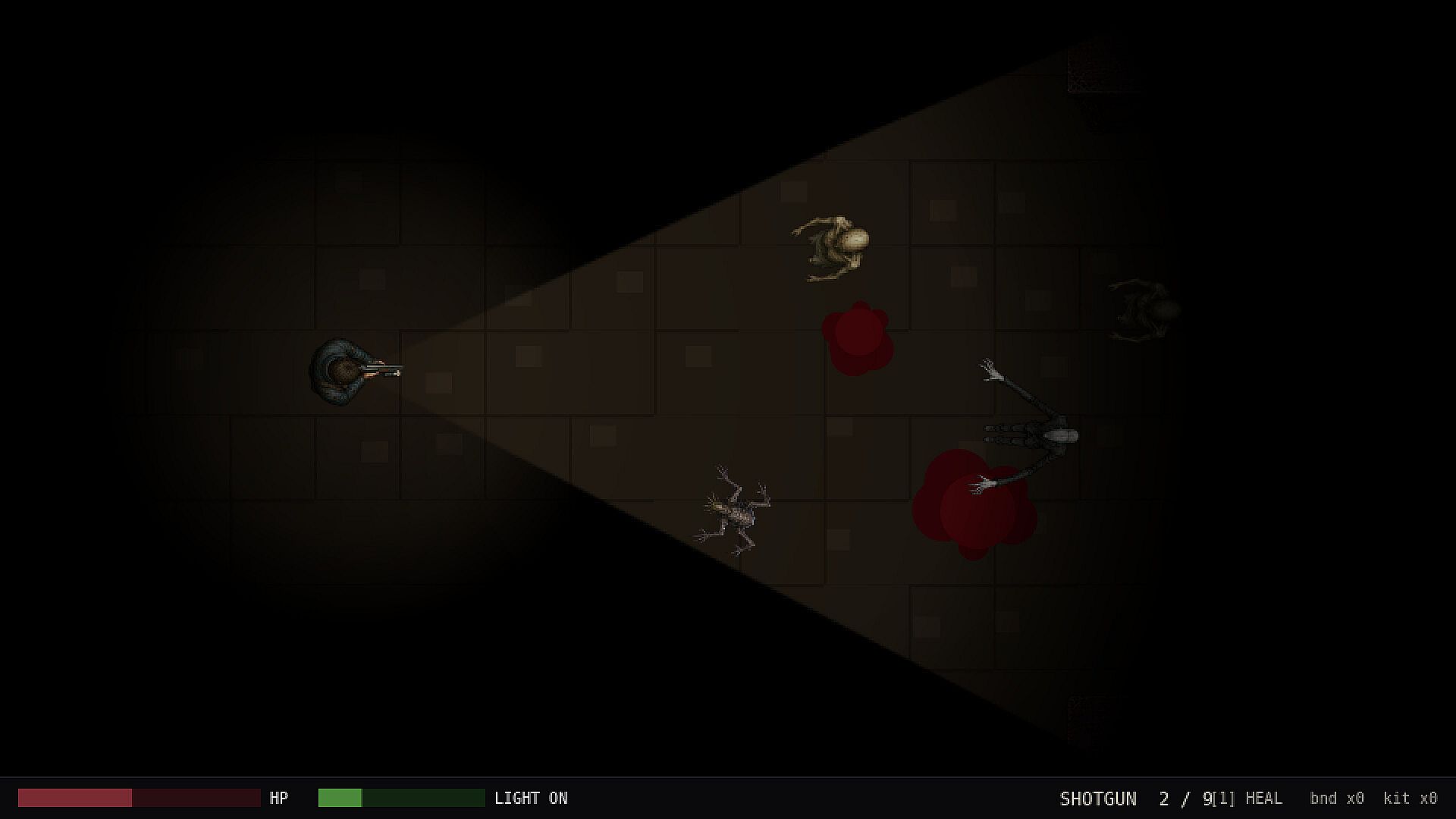
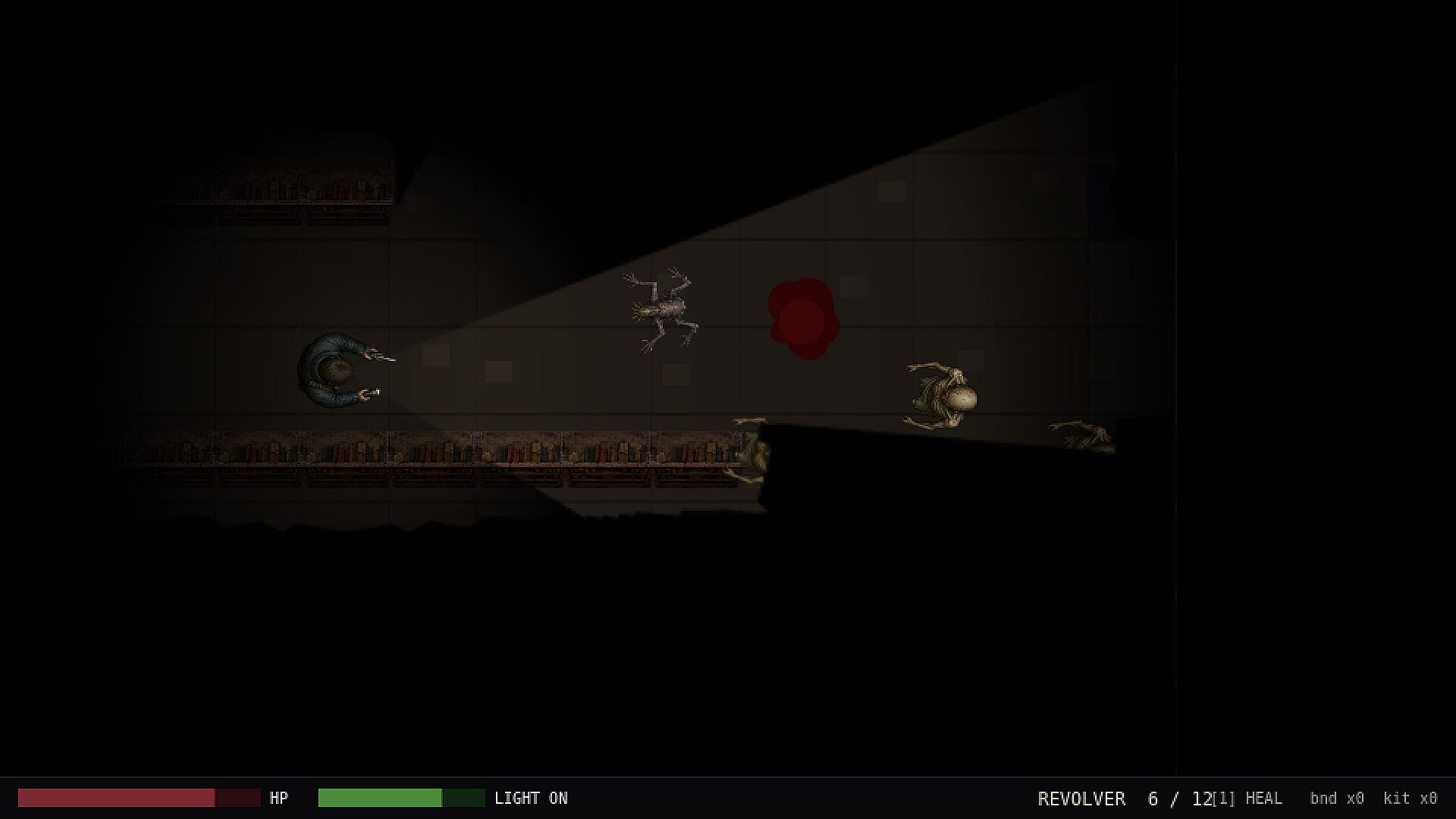
The House on Grisewood is a top-down gothic horror shooter for PC that places players in a decaying manor where darkness and scarcity define every moment. The core experience revolves around navigating rooms with a failing flashlight while managing limited ammunition and health items against unpredictable threats. This single-player action adventure emphasizes careful decisions over direct confrontation, as the environment itself works against progress toward the ballroom below.
Gameplay
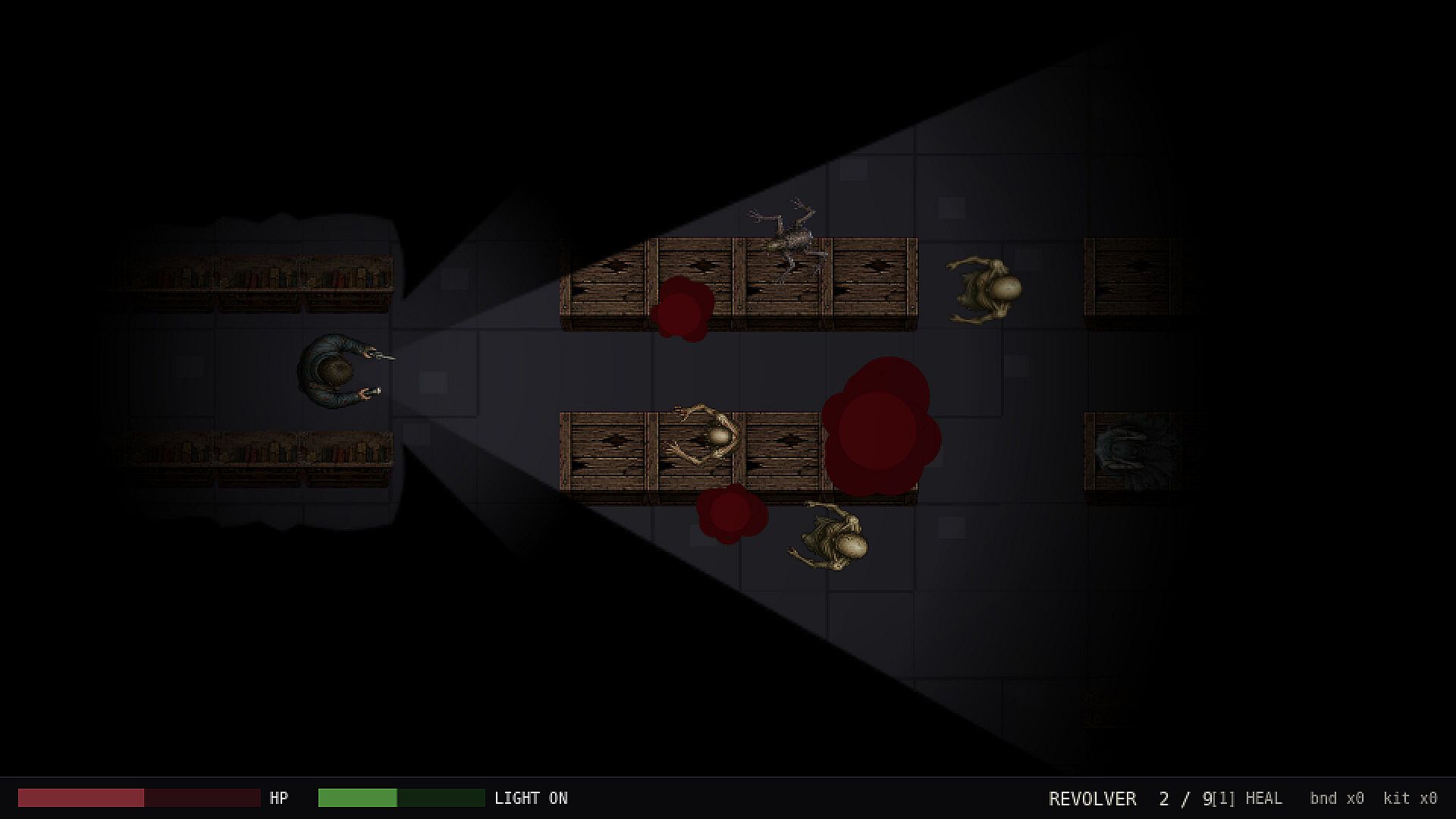
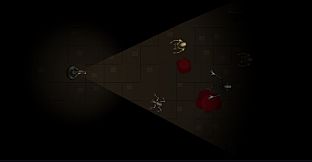
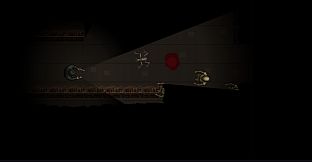
Exploration happens room by room in near-total darkness. The flashlight projects a narrow cone of light that reveals threats and layout details, but its battery drains steadily. Turning it off conserves power yet leaves the player vulnerable as walls and furniture obscure vision. Scavenged batteries extend playtime, though they appear unpredictably across the manor.
Combat relies on a revolver with six rounds and a deliberate reload animation. A shotgun becomes available later, but shells remain limited. Each shot risks drawing attention, so players weigh firing against evasion or repositioning. Bandages provide the only healing, forcing conservation during longer sequences. The manor layout shifts through connected doors and passages that do not always follow expected paths, removing any reliable sense of direction without a map.
Enemy encounters vary by type and behavior. Shambling figures advance steadily. Lunging threats close distance quickly from outside the light. Certain foes halt when illuminated but resume movement once the beam moves away. Taller silhouettes and stationary lurkers require specific approaches to avoid surprise attacks. These mechanics create tension through observation and timing rather than overwhelming firepower.
Game Modes
The primary mode involves descending through thirteen hand-built rooms, including spaces like the library, chapel, conservatory, and crypt. Players scavenge supplies while progressing toward the ballroom to confront the source of the laughter. Navigation challenges arise from the manor's tendency to redirect paths, requiring repeated exploration and adaptation.
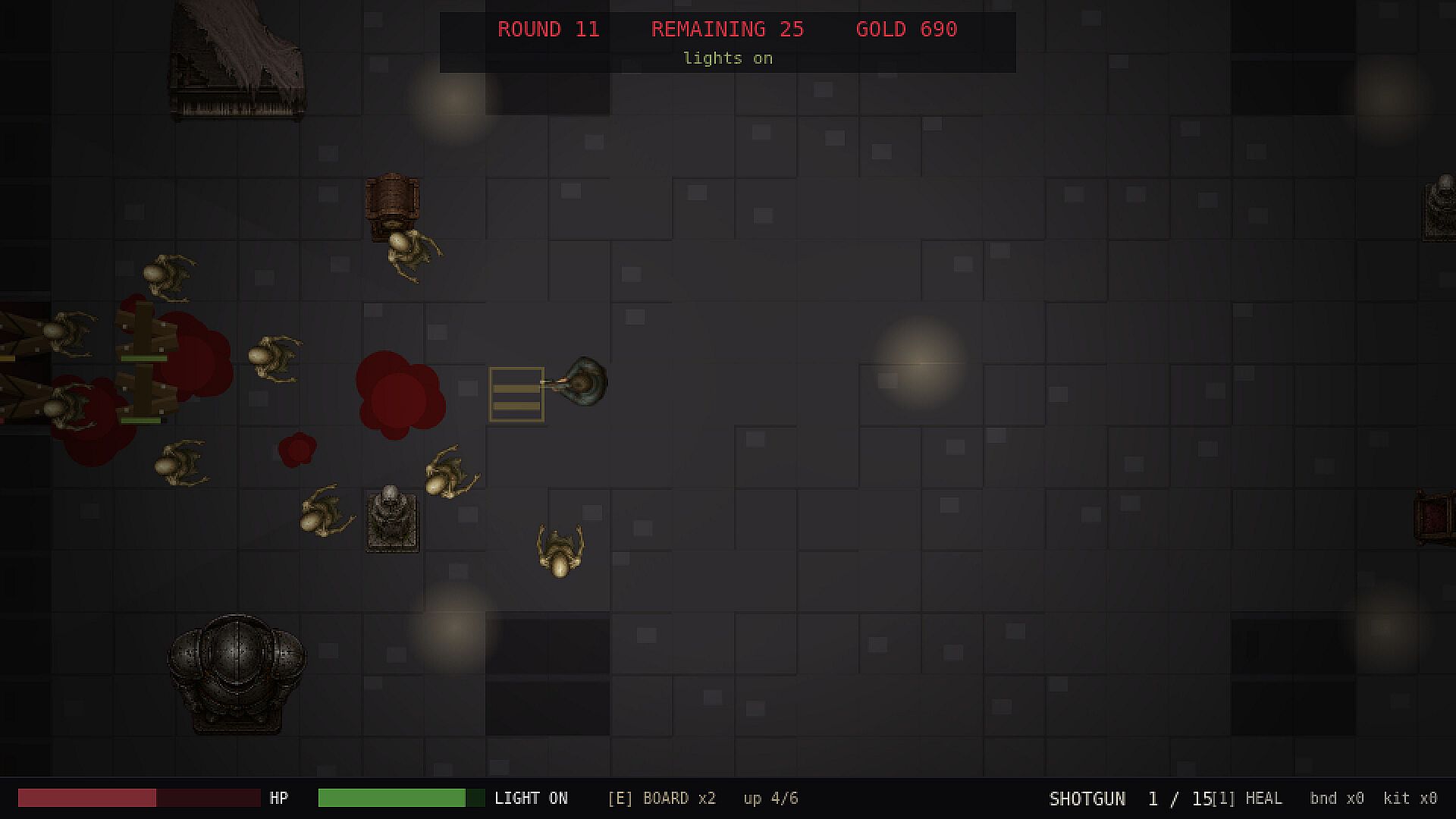
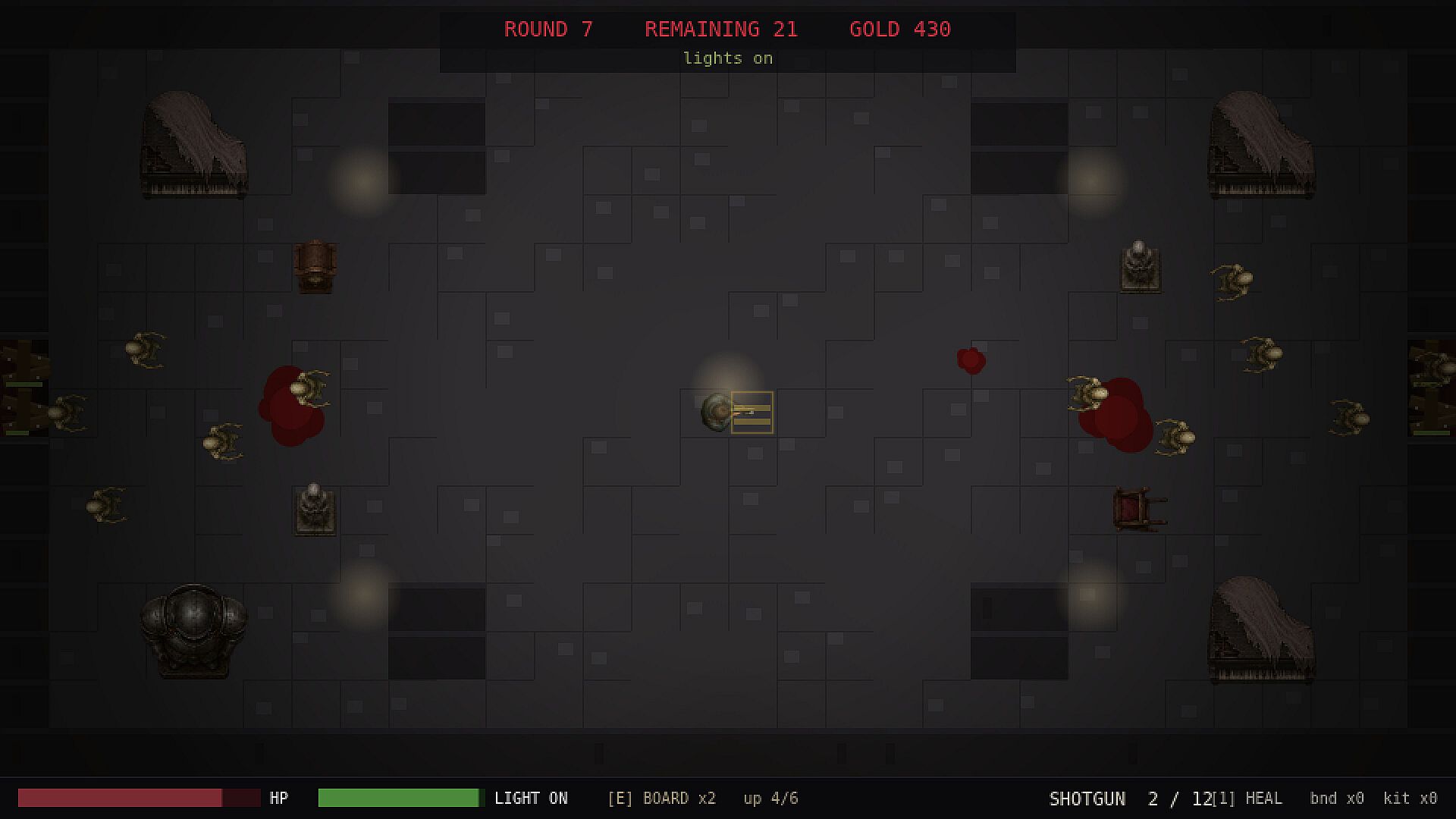
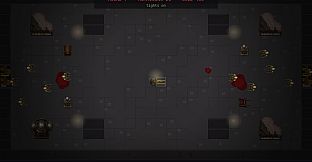
Zombie Survival Mode seals the player inside the Grand Hall with boarded doors. Endless waves emerge from the darkness, and success depends on locating scattered supply caches for ammunition, batteries, and bandages. Leaving a defensive position becomes necessary to gather resources, turning the mode into a test of endurance and prioritization. No campaign elements appear here, focusing purely on wave survival and repeated attempts.
The Setting and Atmosphere
Grisewood Manor presents a gothic environment filled with rotting architecture and unsettling audio cues. Sound design highlights creaks, distant movements, and the persistent laughter from below, reinforcing isolation. Original artwork supports the decaying aesthetic, while the ambient score builds dread without constant intensity. The absence of a minimap and the shifting connections between rooms heighten disorientation, making each new area feel uncertain.
Is It Worth Playing?
This title suits players who prefer deliberate, resource-driven survival horror over fast-paced action. The emphasis on light management, ammo scarcity, and enemy pattern recognition rewards patience and observation. As an early prototype in active development, it offers a focused experience with room for refinement based on feedback. Those drawn to top-down shooters with gothic themes and single-player tension will find the mechanics align closely with that style. Availability centers on direct browser play, allowing immediate access to test the core loop of descent and survival challenges.